Bakken Museum
Why Failure in Making?
Having run makerspace programs as long as The Bakken has, we’ve always been interested in how kids (and adults) both learn and progress through failure. We saw this project as a way to learn from others in the field, things that we might never have thought of with regard to failure in education programs, and also as a way to share our collective decades of experience and collaborate on something that others would hopefully find useful in their own work.
The biggest thing that I’ve been finding useful with the whole community of practice in general is the communication with other people doing the same thing and building off others’ experiences. Especially trying to do this sort of research activity and not having to do it from scratch on our own, but being able to share and bounce ideas off other people is nice. (Leader, Year 2)
What is Failure
When experiences or emotions do not follow expectations.
failure-based activity
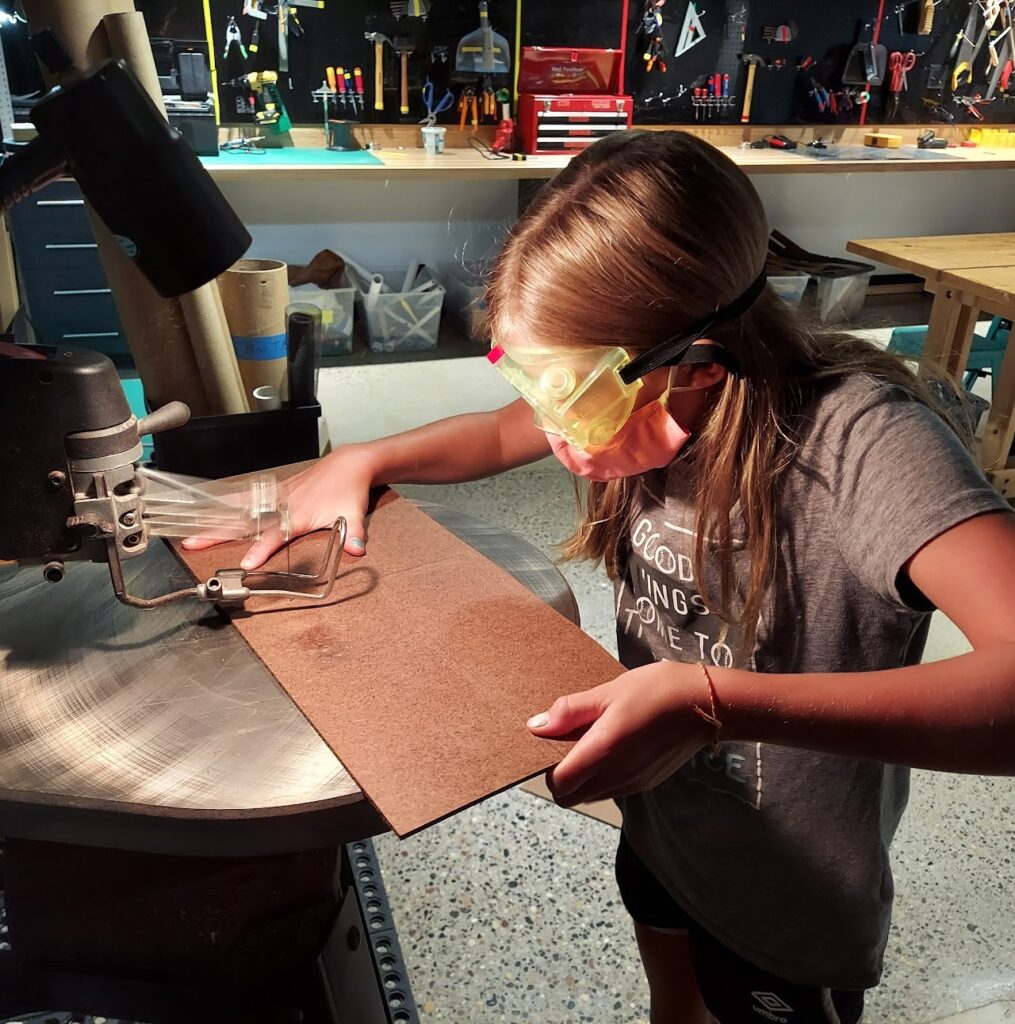
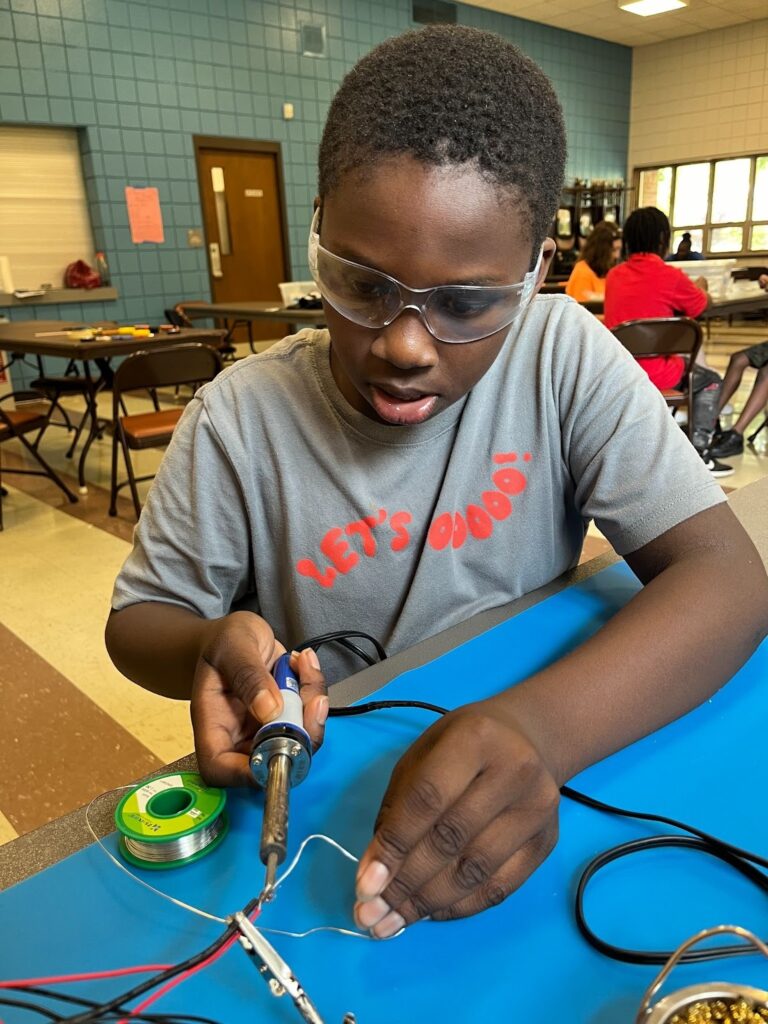
We conducted our PD cycle with a week-long summer camp for students aged 8-14 – Camp Innovation. Campers learn about the innovation process and practice skills of innovators, like problem solving, iterating, and practical skills like learning new tools and techniques in the makerspace. Campers use these skills to design and build their own project over the course of the week. Campers can use the tools and materials to make just about anything they can think up. Projects include vehicles, games, cardboard prototypes, robots, and more.
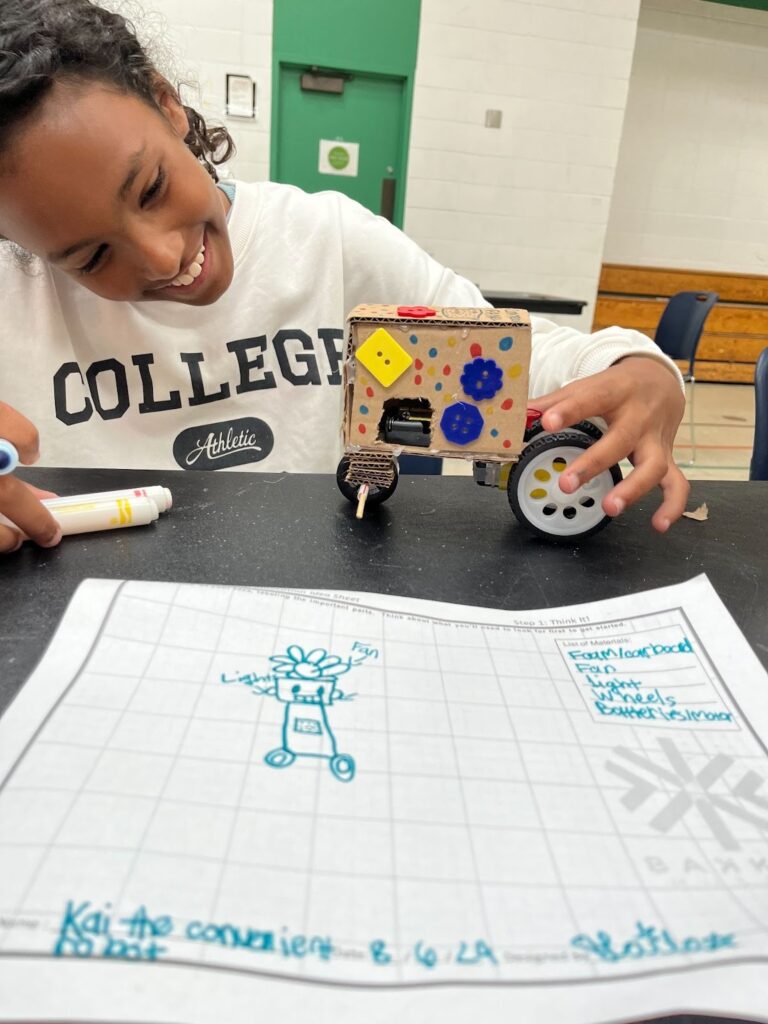
one failure moment or challenge
In the first year, we captured a substantial amount of video, but much of it had poor audio quality and did not consistently capture the moments we hoped to analyze. In addition, we had not built dedicated time into the schedule for reviewing footage, which meant that reflection was delayed and difficult to prioritize. In the second year, we shifted how we recorded to focus on short/targeted moments of failure as opposed to filming everything. Educators were encouraged to grab a camera and record any failure-juicy moments that were happening in the moment. However, educators became too busy and too stressed in the moment to remember to hit record.
What did We learn?
Reflecting on the following question: What are the steps to help a student solve a problem? We realized an unexpected familiarity with what usually felt completely organic. In watching the videos, it further helped us connect our assumptions regarding our approaches with reality, as well as realize the value in watching others’ videos.
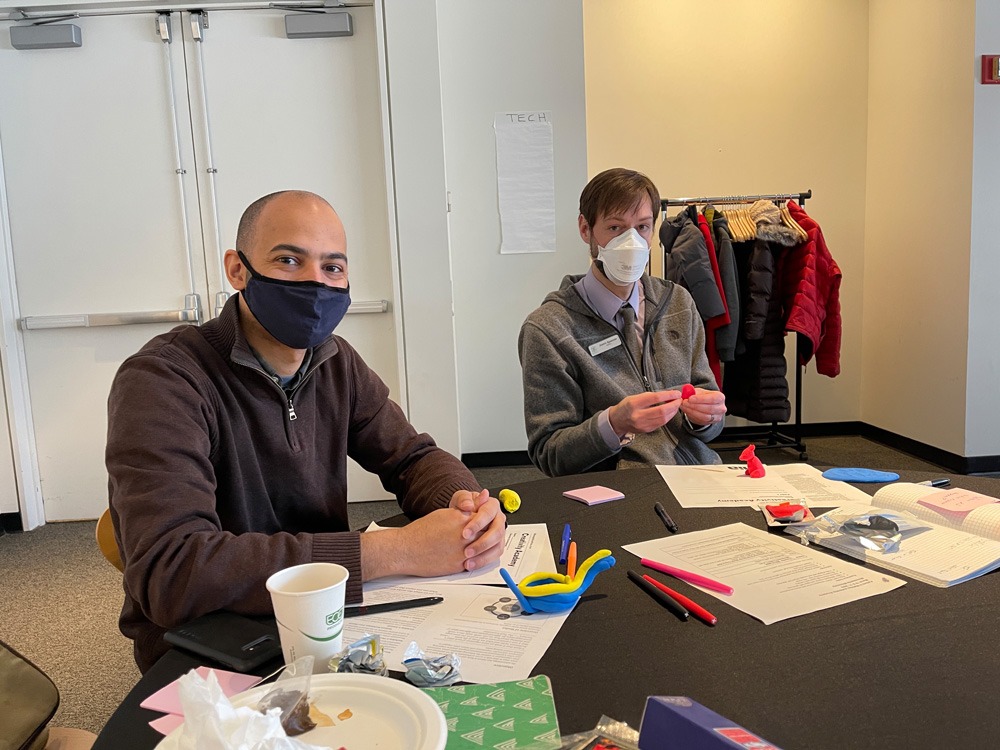
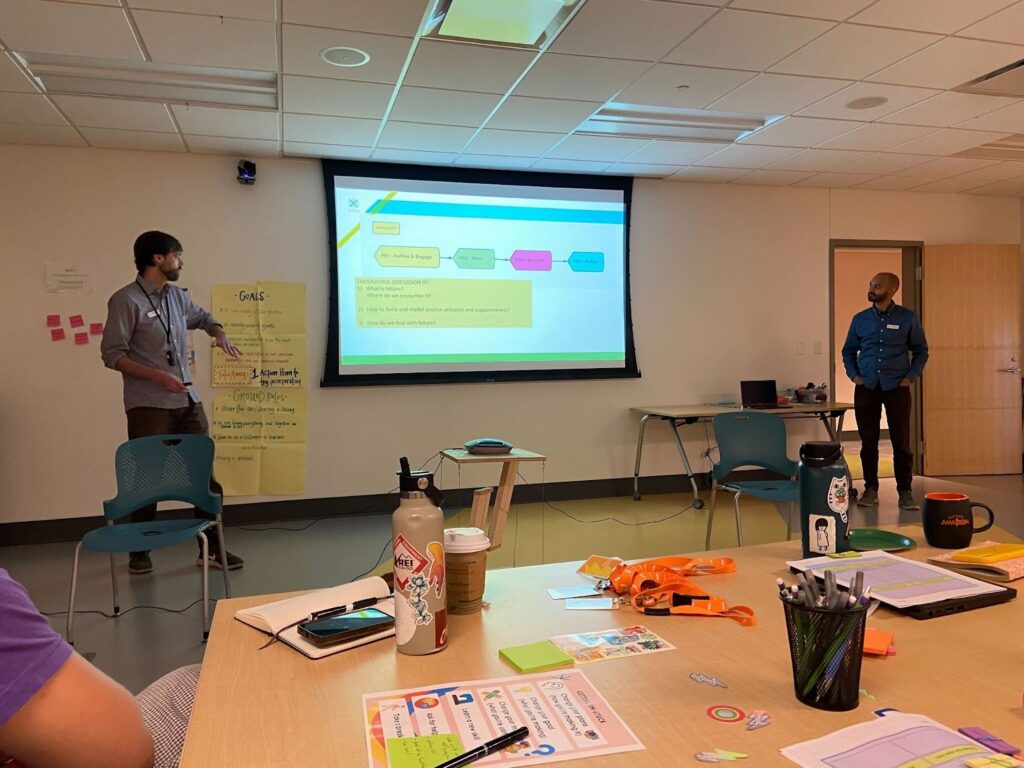
one insight or practice We Continue
Problem solving as a response to failure has always been part of our approach. However, now we take a more holistic view of failure and try to see it in a broader context. We are now more focused on approaching failure not just through the problem to be solved, but also in the social and emotional context. This is reflected in our staff training, where we teach problem solving techniques and share our own experiences with failure.
About us
The Bakken Museum inspires a passion for innovation by exploring the potential for science, technology, and the humanities to make the world a better place. Located in Minneapolis, the museum features a world-renowned collection of artifacts, exceptional education programs, exhibits exploring the wonders of invention, plant medicine, technology, and science, and the Florence Bakken Medicinal Garden.
MISSION: The Bakken Museum inspires a passion for innovation by exploring the potential for science, technology, and the humanities to make the world a better place.
VISION: We will build a community at the intersection of science, technology, health, and wellness, leveraging the past to inspire the next generation of innovators to transform the future.