
Sciencenter
We’re putting in a couple pieces into the quarterly onboarding training we have for new volunteers…Each time we switch out our interactive floor programs, that’s also a chance to infuse some of the facilitation training into the introduction to the new activity and the content of that activity. (Lead Facilitator)
What is Failure
We’d benefit from more definition, but tend to think of failure in terms of productive struggle. Recognizing that failure in engineering, and making, and art can really provide an opening for deeper creativity and problem solving–feeding into a cycle of iteration and learning.
failure-based activity
The rubber duck rescue activity was chosen because it built critical thinking, problem-solving skills, and supports campers’ social-emotional development. The activity gave campers a safe and playful space to practice collaboration and resilience while engaging with the engineering design process. Working in small teams, campers designed and built a launcher for their rubber duck, then tested their designs in the “launch zone.” This launch zone became an intentional space for educators to support campers through moments of failure—encouraging iteration, guiding reflection, and celebrating persistence as teams improved their designs.
One Failure Moment or Challenge
We struggled a bit with the technical side–recording activities especially. We needed to take a step back to think about our process and iterate invited us to use our own critical thinking, problem solving skills.
What did We learn?
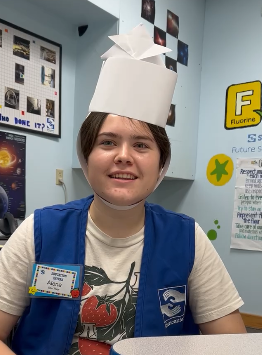
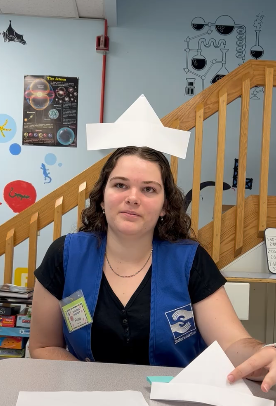
Through this process, we learned the power of having a shared language around failure—both for staff and for campers. Using consistent vocabulary helped normalize failure, making it easier to celebrate setbacks as part of the learning process. We also saw the value of recording and reflecting on our own practice. Watching ourselves interact with campers provided powerful insights into where we could step back, allow more productive struggle, and support children in building resilience.
one insight or practice We Continue
This project helped us see failure more as a practice to cultivate and experiment with rather than something to avoid–both progressionally and as an educational tool. It’s allowed us to be more playful and flexible in our thinking.
About us
MISSION: Cultivate an engaged community of curious, collaborative, critical thinkers.
VISION: A community where people use science as a way of understanding the world.
At the Sciencenter, visitors can enjoy hands-on experiences related to science, technology, engineering, and math. The exhibits are designed to build science process skills and provide interactive experiences that explore topics such as the environment, climate change, astronomy, and the health of the oceans. Visitors can also explore the world around them with the help of live animals like reptiles and fish. Most of the exhibits are created in the Sciencenter’s fabrication shop by its team of exhibit developers.