Thinkery
Why Failure in Making?
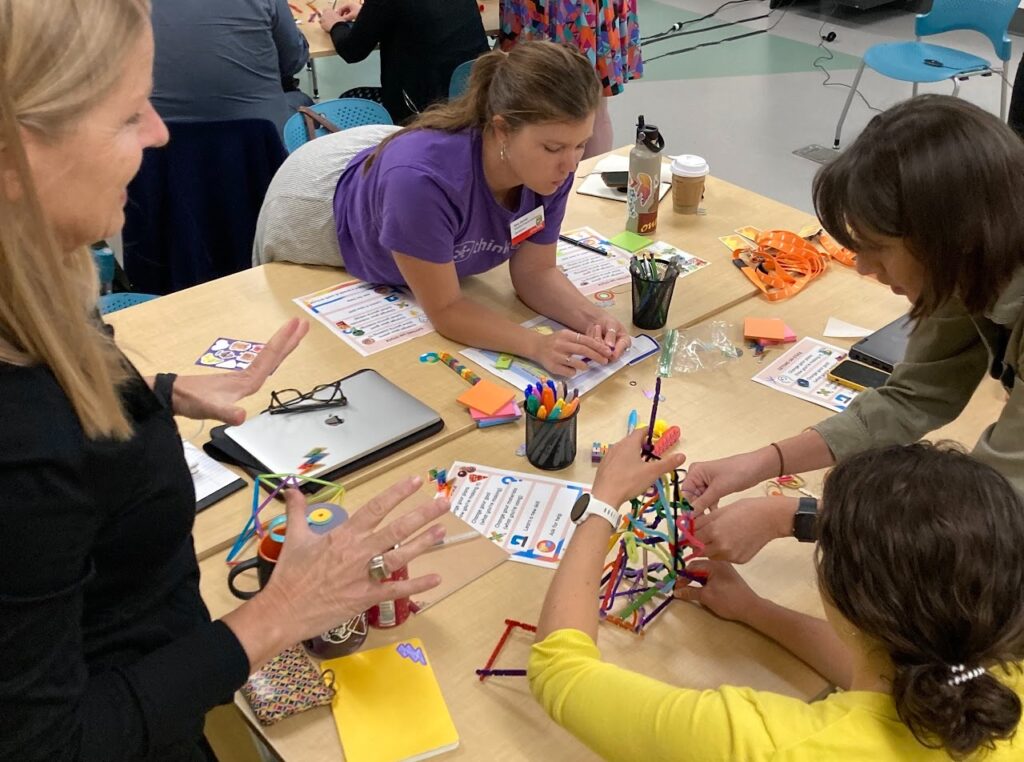
This opportunity pushed our team to have varying viewpoints on supporting our learners and to focus on the process of problem solving.
It was a lot of fun. … It definitely gave me a different outlook of how I can help kids with their failure. The way my mind kind of works is if a kid comes up to me with a problem or a failure, I like to immediately go to a recommendation or just my own kind of problem solving mind. I like to see if my solution would work. The ‘Failure In Making’ has taught me, you really can’t do that. That’s just you doing the project. You gotta let them come up with the solutions. (Educator, Year 2)
What is Failure
Failure means we (a) elevate our approach to process not product and focus on being learner centered, (b) support social-emotional learning in the maker space environment, and (c) focus on being observant and intentional when building, planning, and facilitating professional development or informal learning experiences internal and external.
failure-based activity
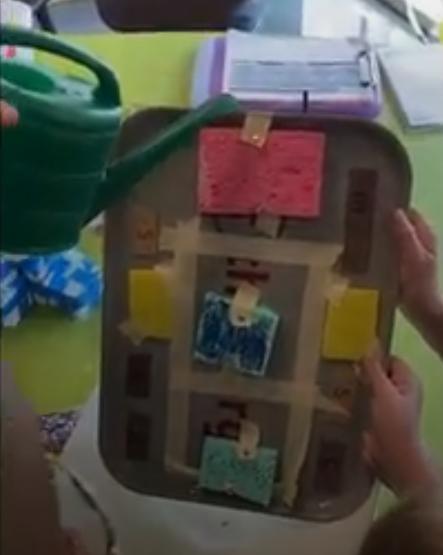
Our failure-based activities were conducted with our camp programs for youth in 1st to 5th grade. In general, the programs were to support youth in testing their creative problem-solving skills and inventing solutions to real world problems. In one activity, learners were tasked with protecting a community from pollution. Using sponges, trays, foam, and tape, they designed and built a miniature neighborhood for 30–50 “residents.” Once their neighborhood was complete, learners created solutions to stop pollution from reaching the nearby lake—experimenting with different ways to trap or redirect the pollution before it passed their houses.
one failure moment or challenge
One of the key challenges we experienced during this process was the filming component. Many of the videos we received were too dark, missing sound, or were lost entirely during the uploading process. In addition, in some cases, the educator picked clips that “felt a little perfect” in terms of kids succeeding and how the educator moves were effective in that moment as opposed to clips where kids were doing things that did not work out too well. In hindsight, we realized that we could have better supported educators by role-playing and practicing the use of the technology beforehand, as well as offering troubleshooting tips for classroom filming.
What did We learn?
We learned the power of being flexible and incorporating informal communication—using Teams to check in with educators and adjusting filming days or times when needed helped keep participants engaged and supported. Similarly, we learned the value of 1:1 reflection conversations as a way to deepen educators’ learning and create a space for them to share challenges and successes.
one insight or practice We Continue
We have adopted this mindset into our educator training across our programs. From camps, to after school and district partnerships, we’ve integrated language and experiences to highlight the value of persisting through challenges and to hone in on the process vs the outcome of an experience.
About us
We’re a STEAM engine to power kids’ imagination, creativity, and love of learning. Thinkery is where Austin’s children and their families come to enjoy play-based, inquiry-rich, hands-on learning experiences.
Mission: Lead the future of play-based STEAM learning experiences that inspire and equip all children to be confident, creative thinkers.
Vision: All children cultivate a lifelong love of learning.