These resources will help you design a professional development (PD) for educators at your institution in order to support youth failure moments that occur during STEAM making activities. First, Set Context by discussing, defining, and experiencing failure, and second, Record and Reflect on facilitation of failure moments.
Setting Context
Building Community
What community building activity might you use for your educators to get to know one another? What is the purpose behind the activity you selected? How might the activity begin to build a sense of vulnerability and trust among educators?
-
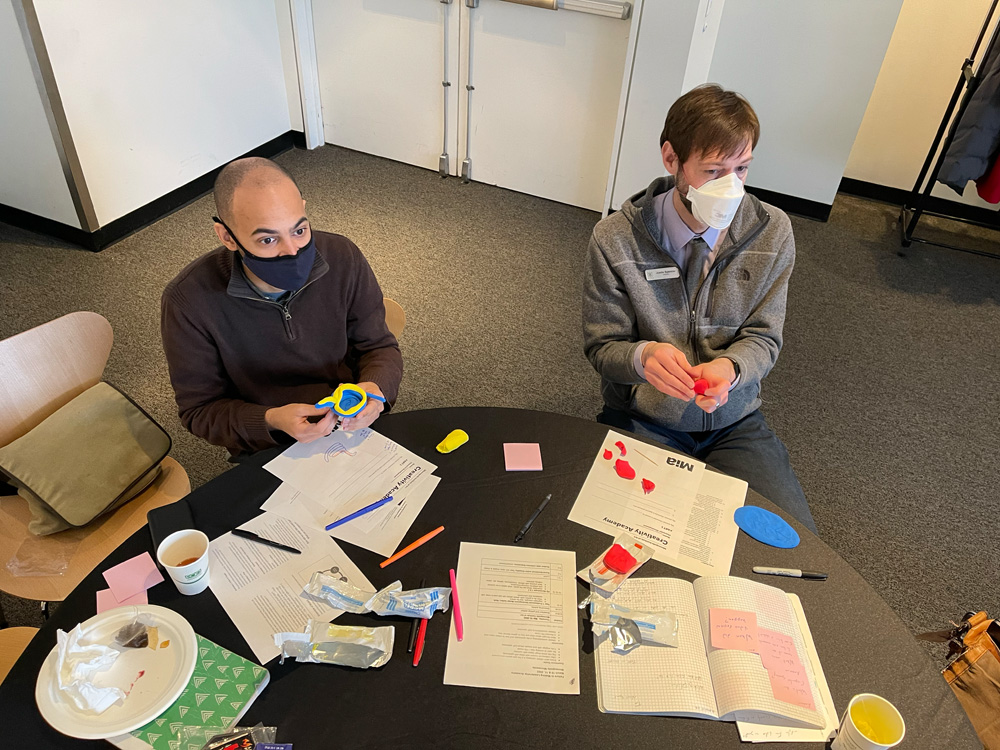
Build and Pass
Description: This activity will encourage communication and increase collaboration with one another through building upon educators’ creations and ideas. Suggested by: Scott Family Amazeum
-
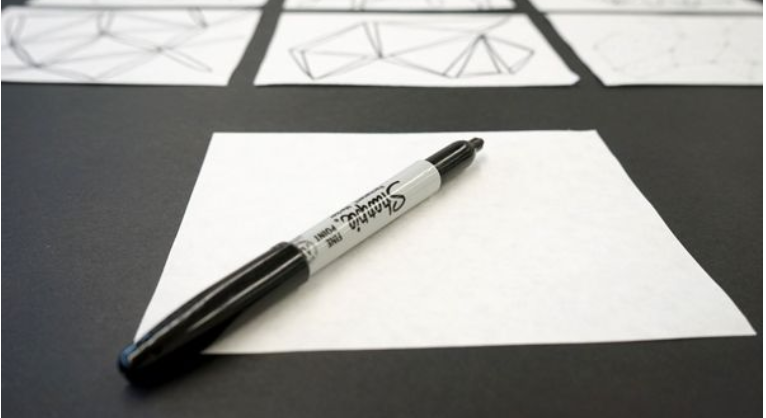
One-Minute Drawings
Description: Think fast. Unlock your creativity. Get rid of perfectionism tendencies. Suggested by: Scott Family Amazeum
-
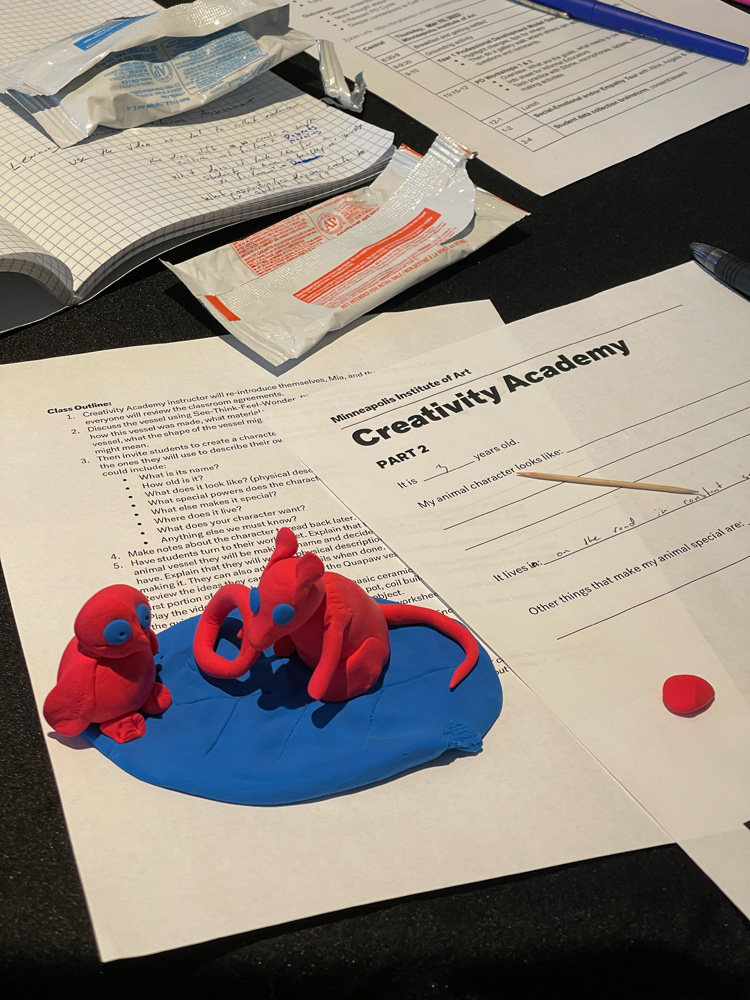
This is not a…
Description: Use your imagination to transform an object into something else. Example, “This is not a roll of tape, this is an apple pie.” Suggested by: Scott Family Amazeum
-
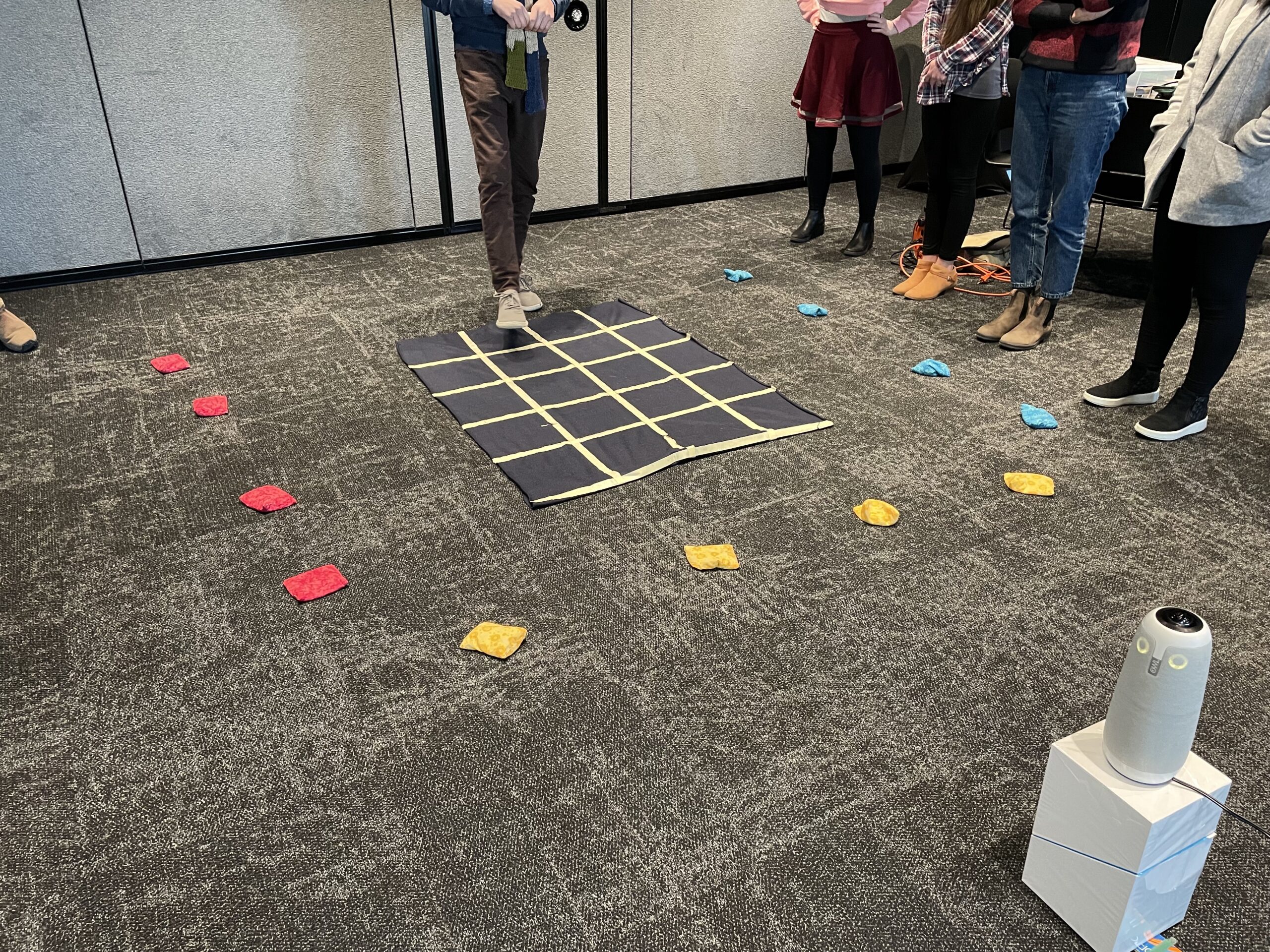
Marvin’s Swamp
Description: This is a game that requires individuals to work as a team and learn from other’s mistakes to help accomplish a common goal. The trick is that you can only use non-verbal actions to communicate with one another. The Bakken Museum uses this with their youth to talk about failure, which may become a part…
-
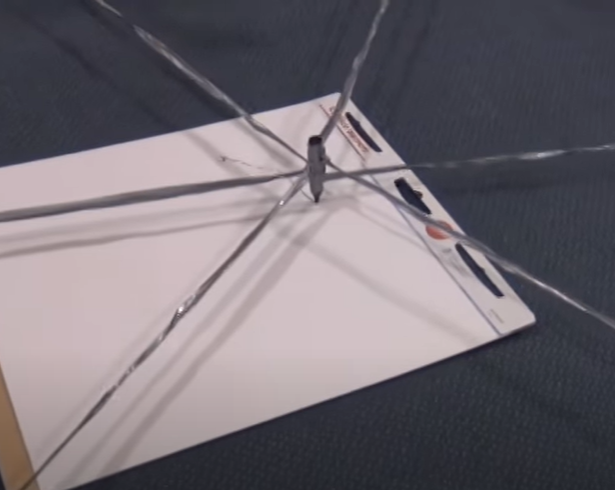
Duct Tape Draw
Description: A group of educators work together to draw a picture (e.g., frustrated face) or a word (e.g., fail) on a poster board using only a marker and duct tape. In a team of 3-4 educators, draw an image (e.g., smiley face) using one marker controlled by each member of the team. Suggested by: Thinkery
Experiencing failure
What activity/task will be the focus of the PD? How will you implement this activity/task to elicit experiences with failure?
Brainstorm questions around experiences with failure you might pose to your educators before, during, and/or after the completion of the activity.
-
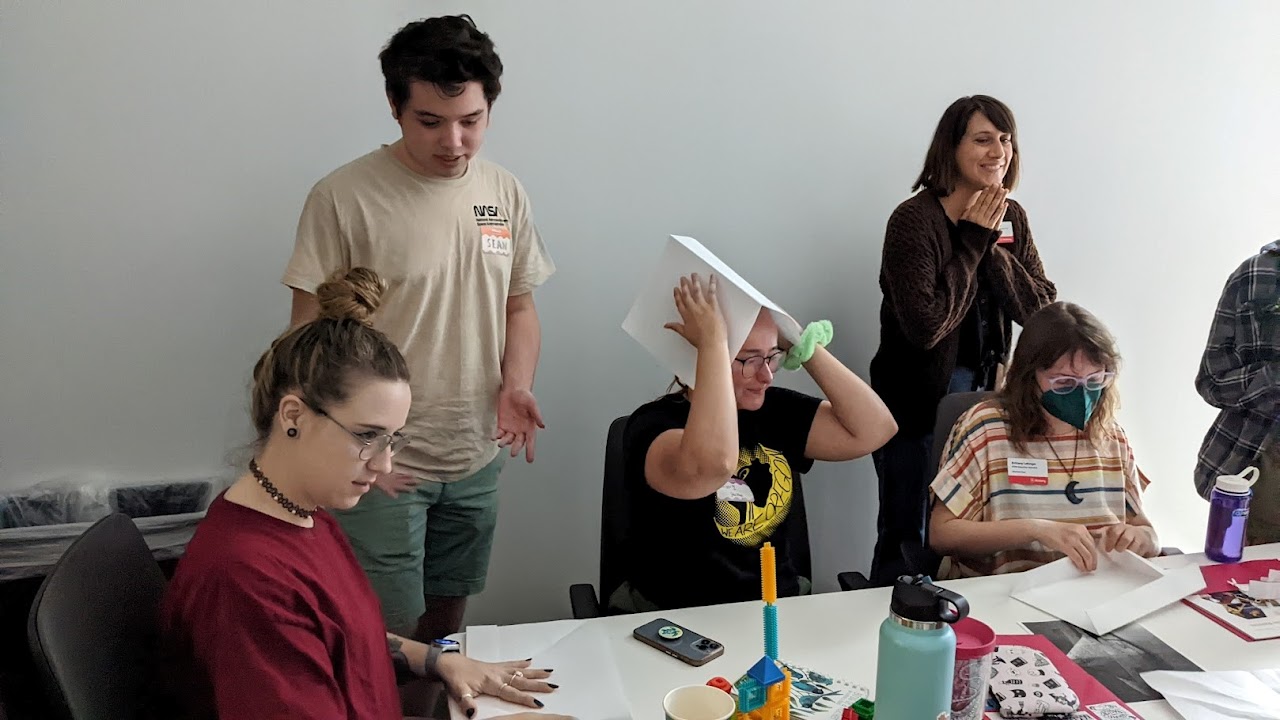
Paper Hats
Description: This activity covers how we experience failure through the perspective of both educator and learner. It also supports a discussion around identifying open ended facilitation versus explicit direction. Created by: Thinkery
-
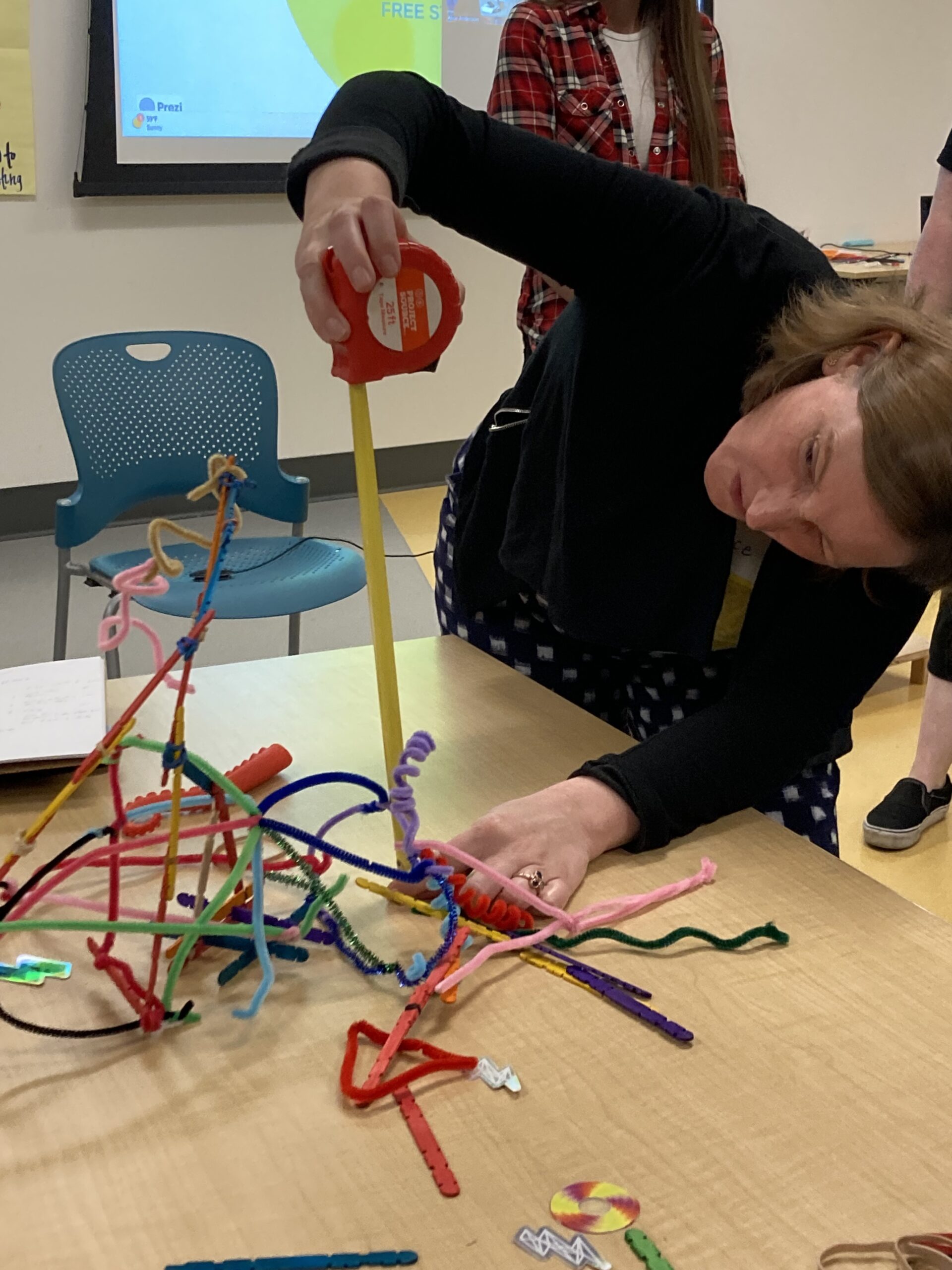
Pipe Cleaner Engineering
Description: The purpose of this activity is to (a) think about failure critically and (b) observe adults’ unstuck methods when creating a freestanding tower with twists and challenges. Created by: Scott Family Amazeum
-

Roller Coaster Challenge
Description: Educators engage in an activity to reflect on the actions they did during the course of the activity, as well as the actions of the facilitator during the course of the activity. Created by: The Tech Interactive
-
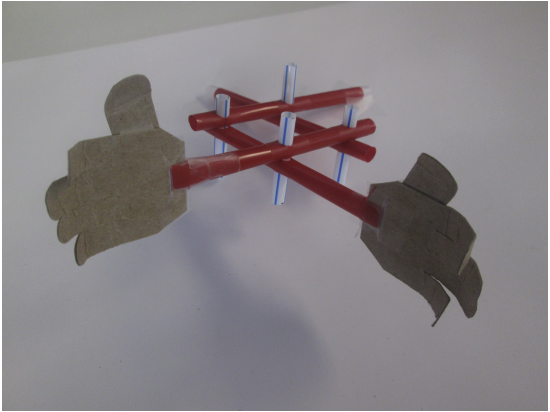
Straw Linkage Hands
Description: The purpose of this activity is to (a) reminder educators of how failure looks, feels, sounds–so that they can better recognize it in others, and (b) get educators used to the idea that failure can exist outside of themselves – to look at failure as an object and not an intrinsic part of who they…
-
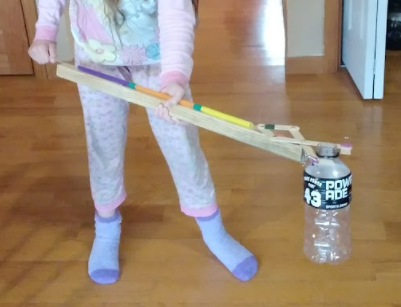
Grabber Activity
Description: Design your own grabber and see what you can reach. Reflect and Discuss: Created by: The Tech Interactive This activity was created as part of the CoBuild19 project where we created engineering and maker activities that could be done at home during the pandemic.
-
Marvin’s Swamp
Description: This is a game that requires individuals to work as a team and learn from other’s mistakes to help accomplish a common goal. The trick is that you can only use non-verbal actions to communicate with one another. The Bakken Museum uses this with their youth to talk about failure, which may become a part…
Defining failure
The goal here is not necessarily to come to a shared definition, but to acknowledge and appreciate varying views of failure. Brainstorm ways to facilitate this discussion. Be open and receptive to varying views and perspectives on failure.
Gather the different perspectives of failure in Excel, Miro, or Padlet, and return to these views of failure during your reflection sessions.
-
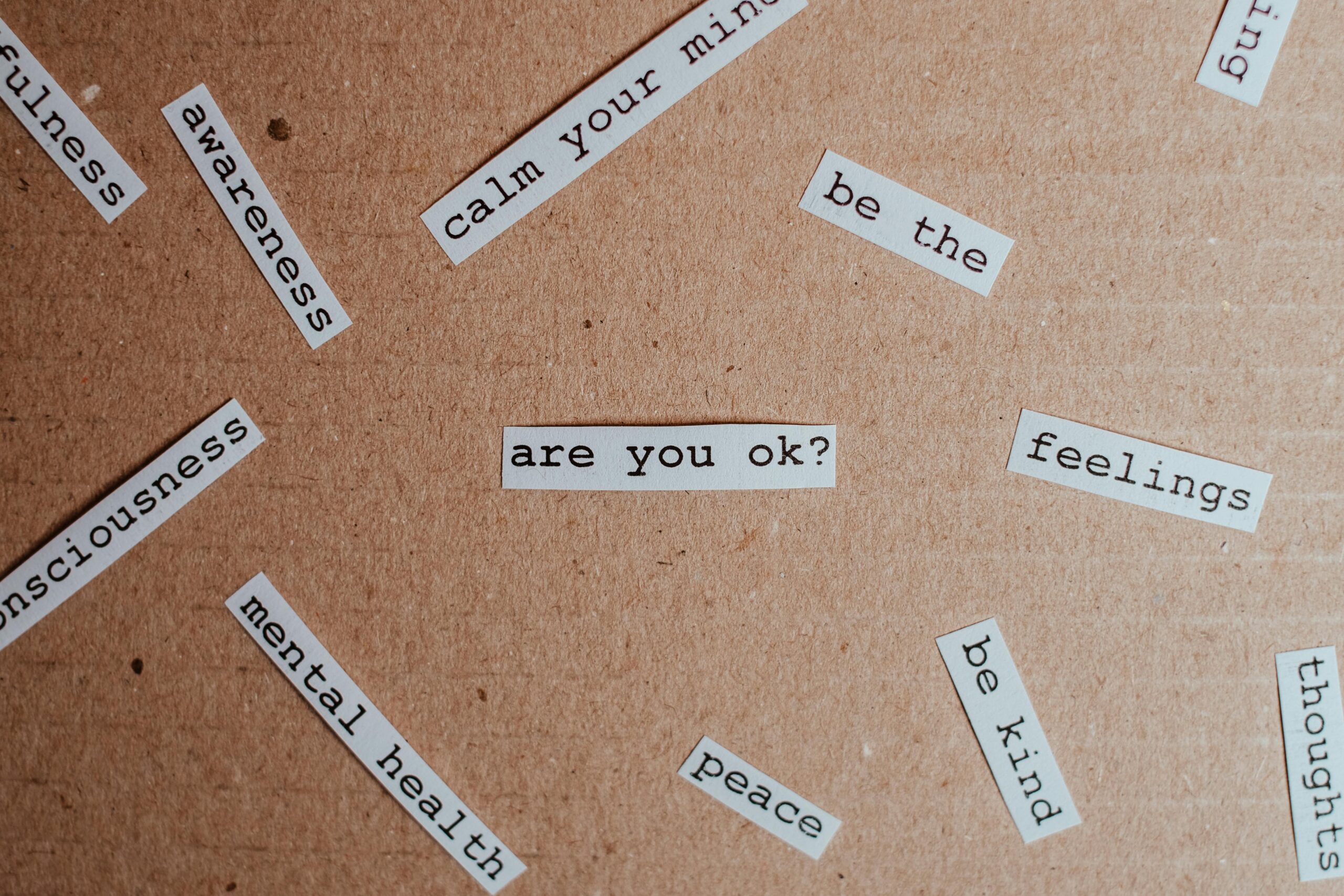
Piecewise Failure Definition
Description: For this activity, find and present several definitions of failure to compare/contrast or agree/disagree. We included a list of failure definitions to consider for this activity, including the failure definitions of our partnering sites. You may decide to create a working definition of failure through piecing together words and phrases from other’s failure definition. Adapted…
-
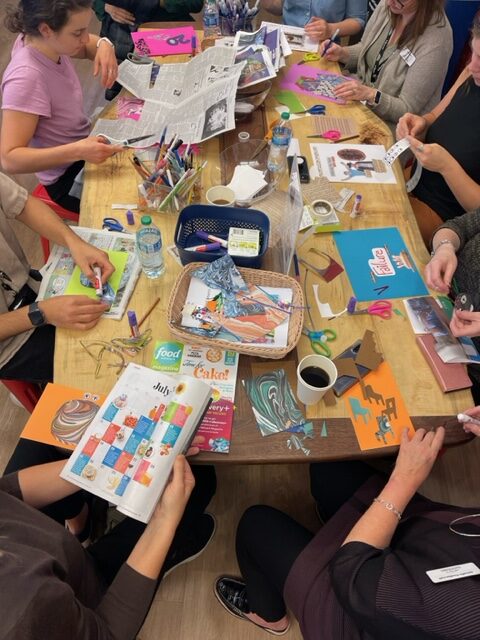
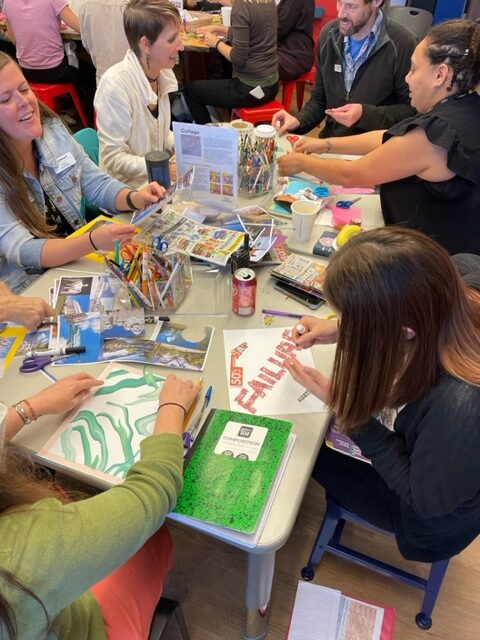
Collage: What does failure mean to you?
Description: This activity is a creative approach for educators to express what failure means to them in their professional role. So throw a bunch material and adhesives out and get collaging. Created by: Scott Family Amazeum and Crystal Bridges
-
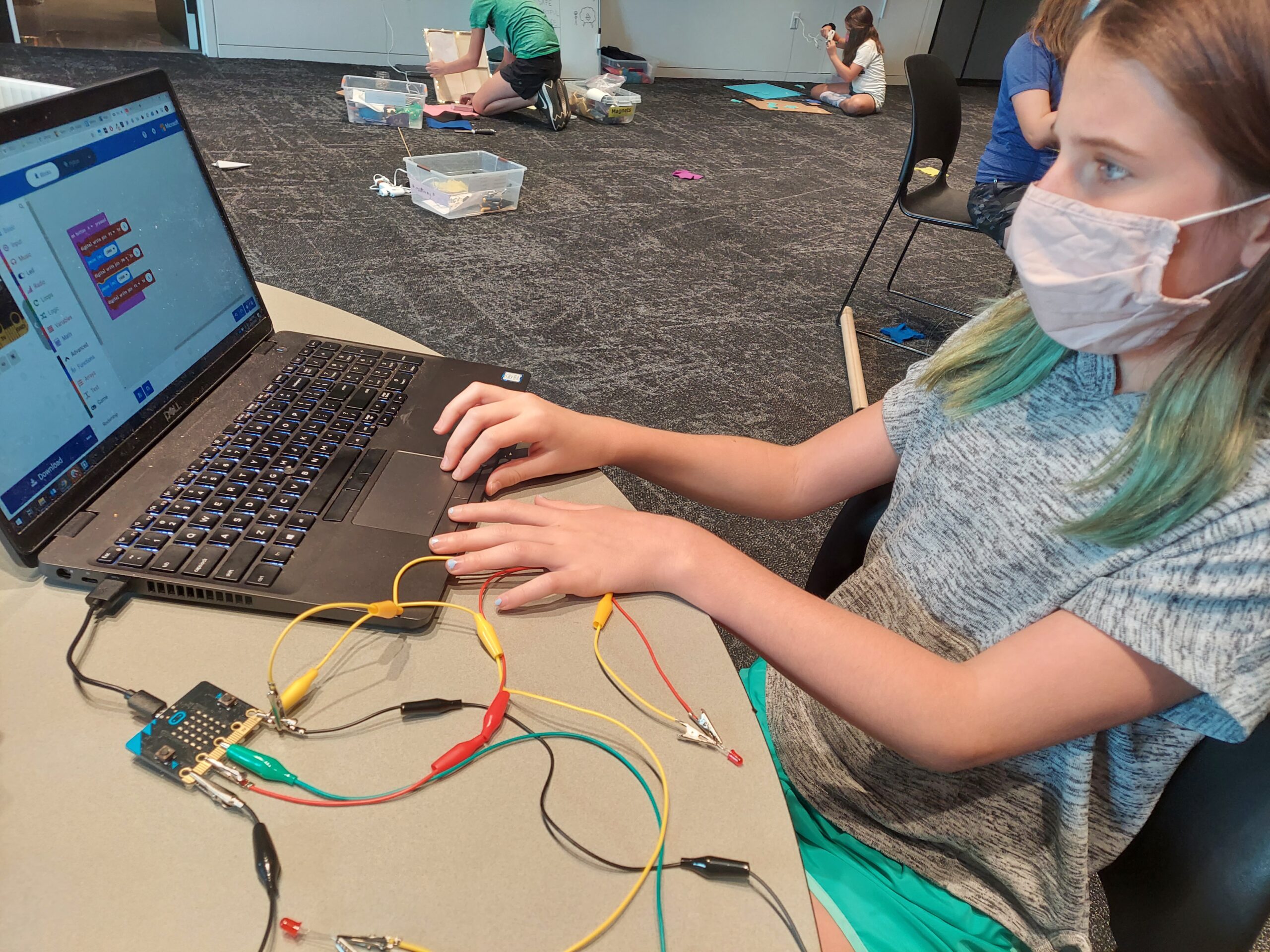
What Do Kids Say About Failure?
Description: This “quiz” was used to spark a conversation around educator’s perspectives of failure. Created by: Science Museum of Minnesota
-

Would you rather…?
Description: This activity poses a question (or set of questions) that makes you choice between two options (e.g., “Would you rather eat a spoon of mayonnaise or a spoon of hot sauce?”). The resource provided here was framed around experiences with failure. Adapted by: Scott Family Amazeum
-

Four Corners: What does failure mean to you?
Description: Four corners is an activity that asks individuals to take a position on a specific topic, statement, word, image, and so forth. Once selected, individuals move to the corner of their choice to discuss their choice in relation to the three topics, statements, words, or images not selected. Each group justifies their decision to the…
youth failure
How might you facilitate a discussion around youth’s failure experiences? Will you reuse your Experiencing Failure activity or begin with a different activity to facilitate this discussion?
-
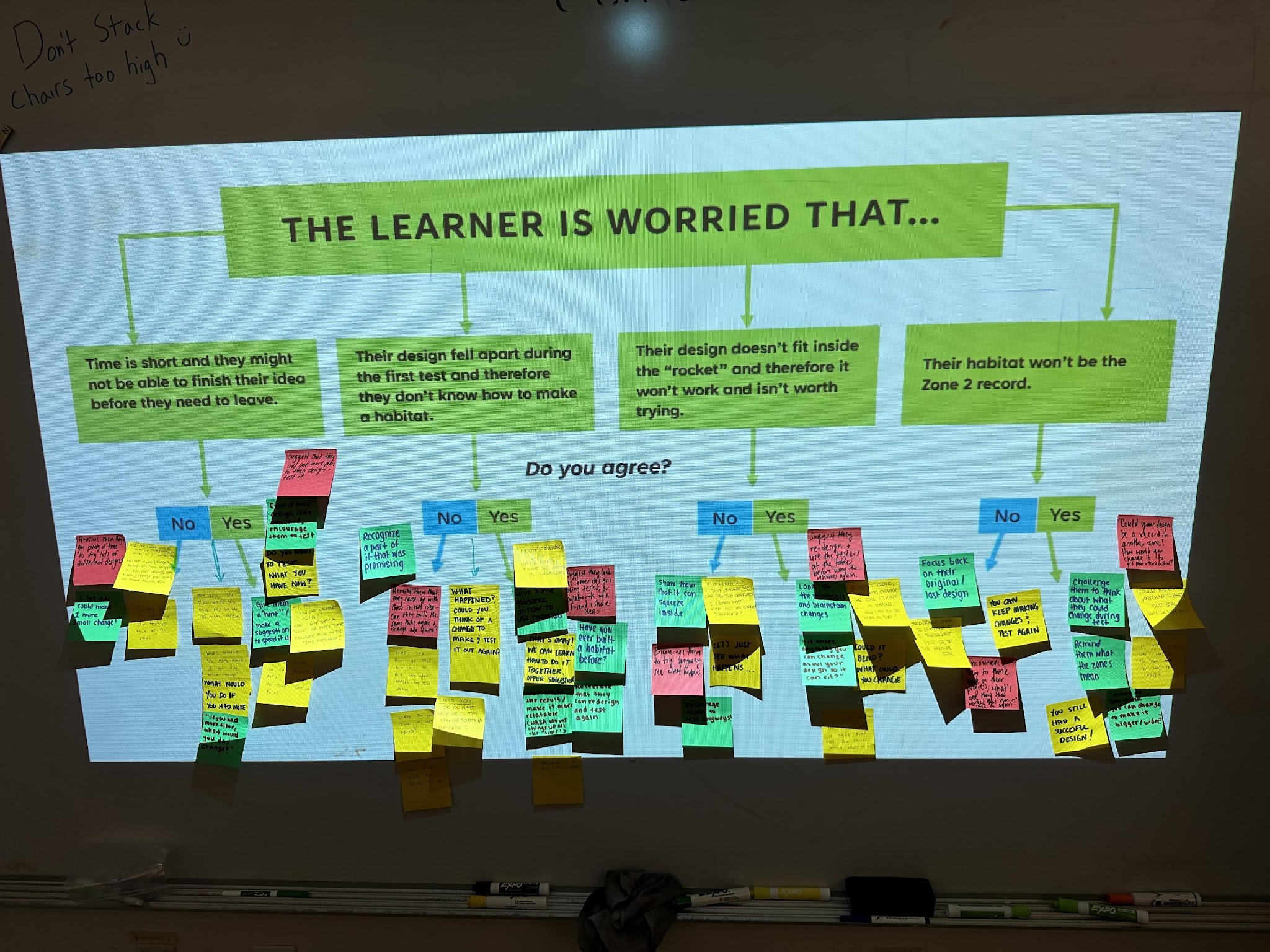
Failure in Making Flowchart
Description: How do you respond to a student when they express a fear of failure or fear of messing something up? This flowchart provides educators with possible pedagogical moves to support youth through their fears. Use this flowchart as a basis to create your own. Created by: The Bakken Museum Adapted by: The Museum of Science, Boston Description: We…
Pedagogical Failure Moves
Brainstorm ways to generate a list of strategies regarding how to attend, interpret, and respond to youth’s failure moments. Refer back to refer to these strategies during check-in sessions, as well as reflection sessions.
-
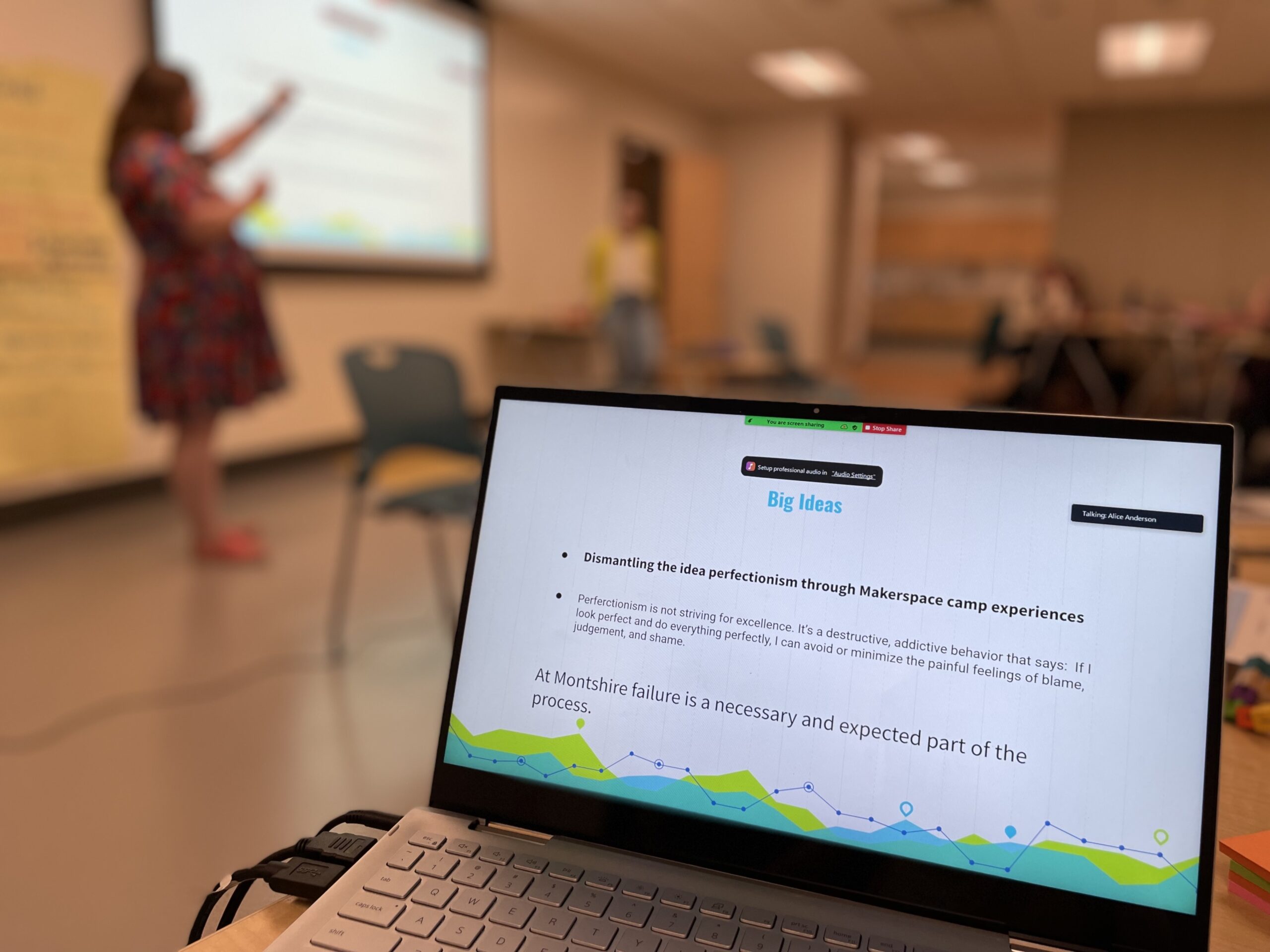
Pedagogical Failure: Hot Tips
Description: These pedagogical failure moves were generated by informal educators during their Failure in Making sessions. Created by: The Tech Interactive
-
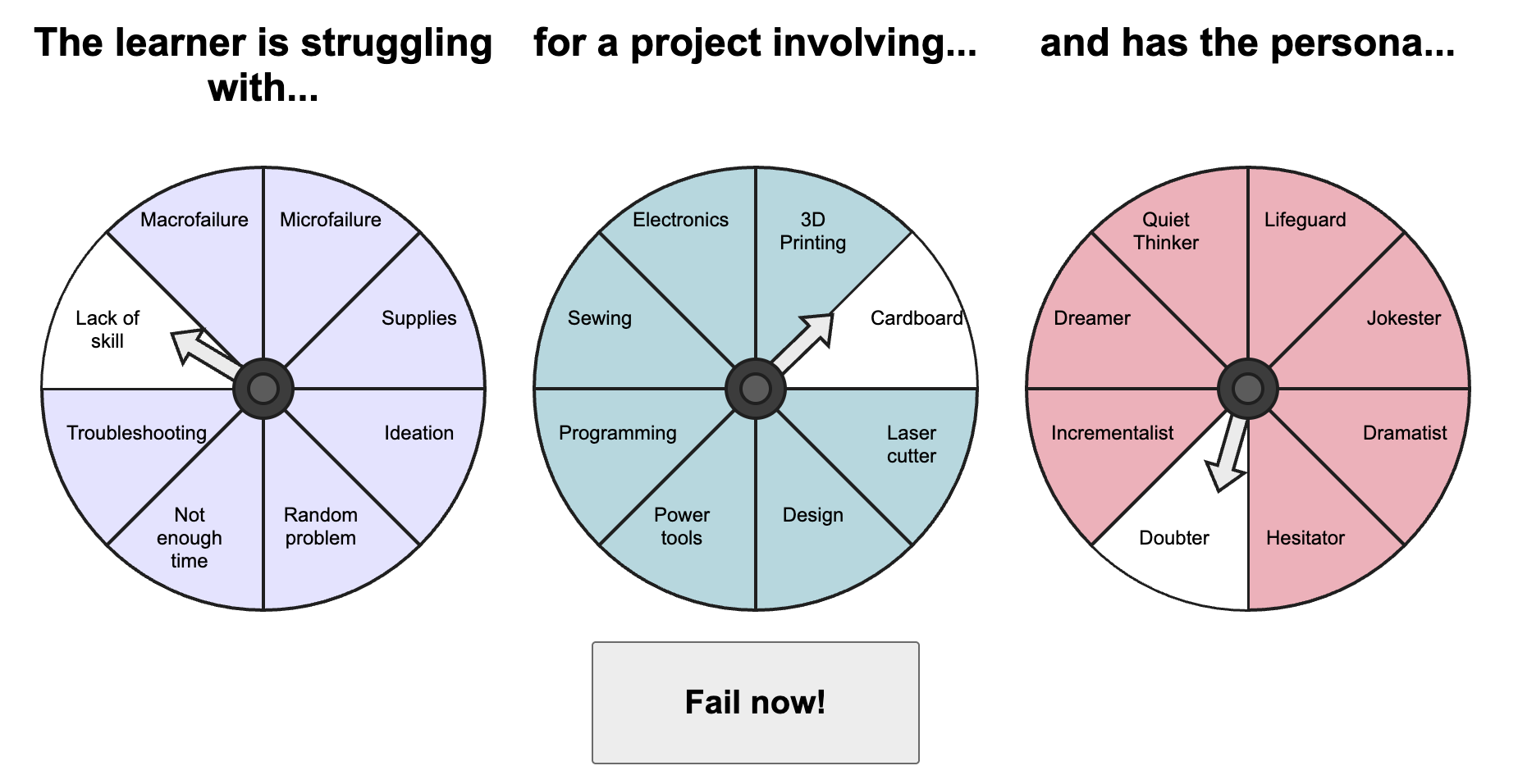
Failure Learner Type Activity
Description: This game is an extension of the Making Connections game developed by the Children’s Museum of Pittsburgh. We added failure specific Learner Types, Learning Practices, and Facilitation Strategies. To help develop the role playing scenario we have included a spinner (download the html file and open on your computer). Instructions: Created by: Alice Anderson &…
-
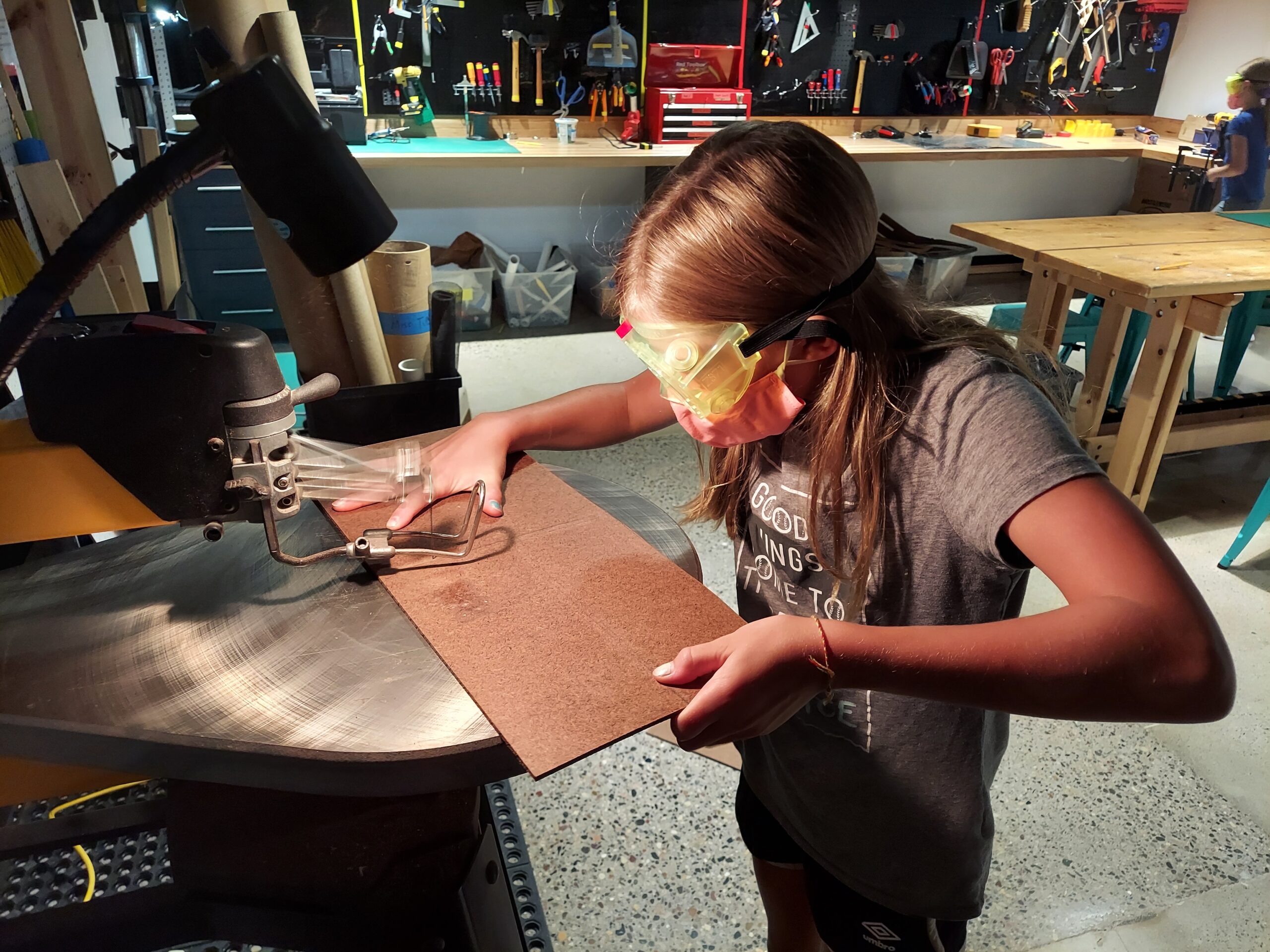
Embracing Failure Scenarios
Description: These scenarios were created to discuss what individual educators would do if they experienced the situation. The scenarios were also developed based on actual events and activities within the organization. Created by: The Tech Interactive
-
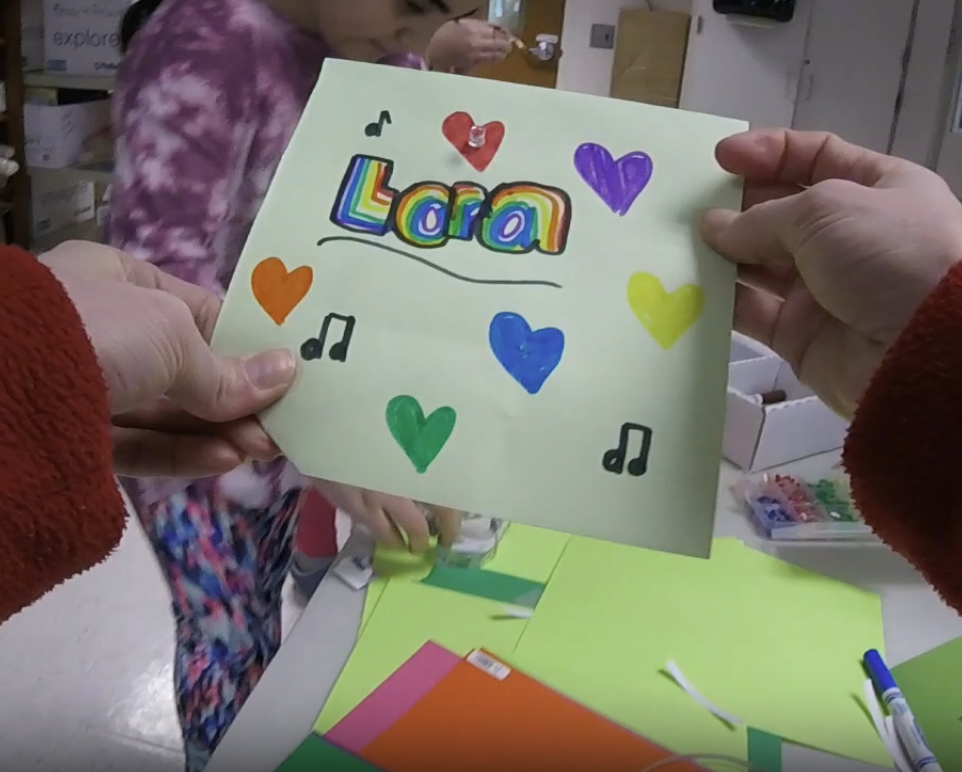
Lead by Example
Description: Lead facilitator shares a “negative” clip to start a discussion of visitors’ fear of failure and how to validate. We’ve shared two clips you can use, but we encourage you to find and share your own.
-
Failure in Making Flowchart
Description: How do you respond to a student when they express a fear of failure or fear of messing something up? This flowchart provides educators with possible pedagogical moves to support youth through their fears. Use this flowchart as a basis to create your own. Created by: The Bakken Museum Adapted by: The Museum of Science, Boston Description: We…
Plan for failures
Brainstorm other questions around experiences with failure you might pose to your educators before, during, and/or after the completion of the activity. One partnering site suggested having educators record themselves when they think failure is happening.
-
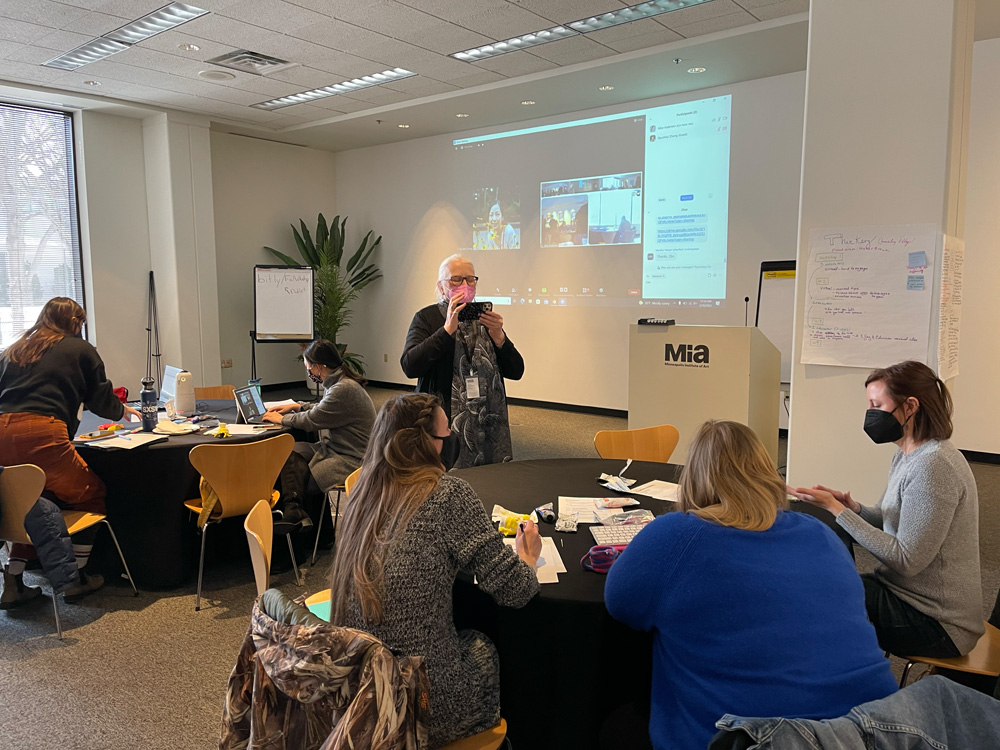
Preparing for Failure
Description: These slides were used to frame a discussion around the following question: How do we prepare for failure? Created by: Scott Family Amazeum
-
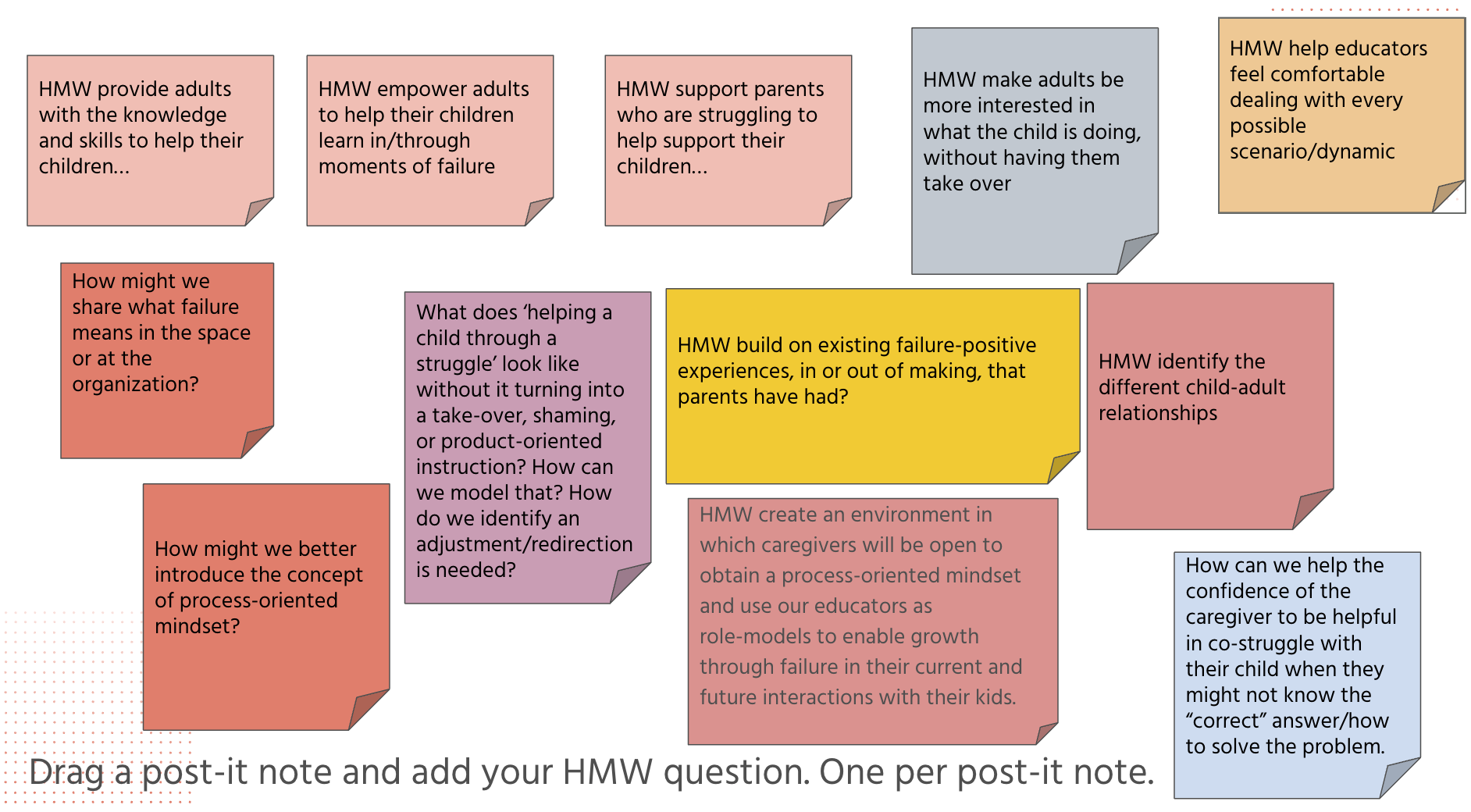
Sticky Note Brainstorm
Prompt: Write down examples of effective and non-effective language that could be used to help a guest who is dealing with a failure moment. Adapted by: The Tech Interactive
-
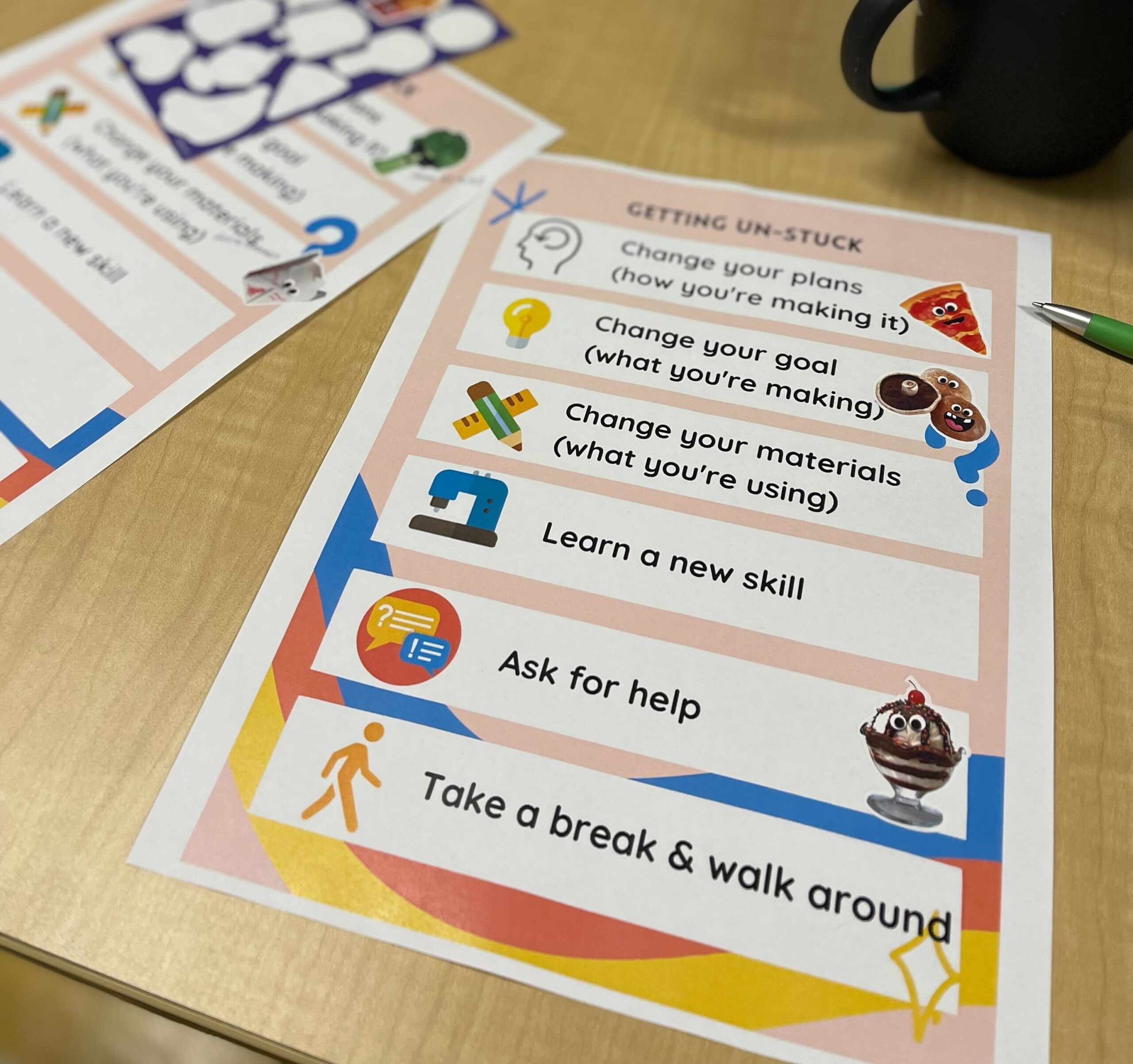
The Big List of Ideas of How to Work With Failure in Making
Description: This list of strategies and ideas was generated by kids and educators in a previous project. These strategies focus on preparing for failure before the making activity and how to handle failure within the making activity. Created by: The AAA Research Team
-

Hodge Podge of Strategies
Description: This document includes a range of pedagogical strategies to use with informal educators and youth. Created by: The AAA Research Team
-
Failure in Making Flowchart
Description: How do you respond to a student when they express a fear of failure or fear of messing something up? This flowchart provides educators with possible pedagogical moves to support youth through their fears. Use this flowchart as a basis to create your own. Created by: The Bakken Museum Adapted by: The Museum of Science, Boston Description: We…
Recording and Reflecting on Failure
visitor feedback
Consider how to utilize student data gathered within STEAM-making activities being discussed in these reflection sessions. How might you introduce student data as a form of feedback? What questions might you ask to support educator’s reflection on their pedagogical practices through student data?
-

Failure in Making Youth Assessment
Description: This assessment includes several sets of questions that can be used in its entirety or individual sets of questions. Questions are framed around (a) failure mindset, (b) problem solving strategies, and (c) emotional responses to failure Created by: Science Museum of Minnesota & Alice Anderson
-
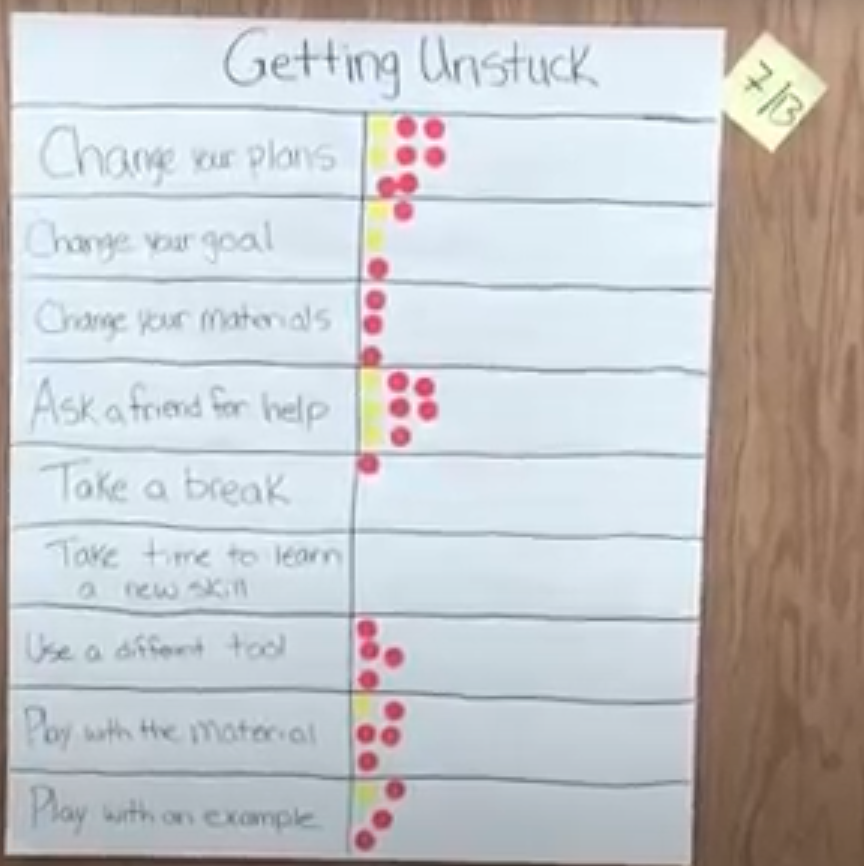
Getting Unstuck Poster
Description: Create a list of what to do when you are stuck. We suggest this be created by the youth and educators at the beginning of the making activity. This becomes a living document that can be added to throughout the activity, whether this be a drop-in session, a workshop, or a week-long camp. If a…
-

Youth Data Considerations
Description: There are things to keep in mind when collecting data from youth such as ethics and privacy. We have provided some guidance with this document, including sample assent and consent forms. Created by: AAA Research Team
-
Whole Group, Small Group, or Individual Reflection
Description: A set of questions to pose at the end of a session regarding experiences with failure or have a place for youth to post responses. Examples include: Utilized by: The Tech Interactive, Scott Family Amazeum, & Montshire Science Museum
-
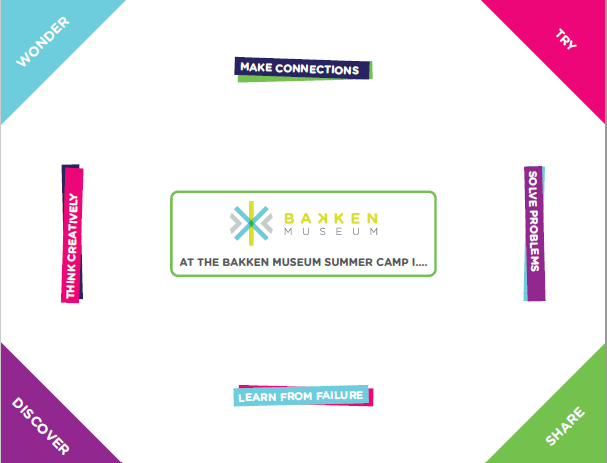
Summer Camp Concept Map
Description: Youth were asked to draw lines to words or phrases that they did during summer camp. These include: (a) make connections, (b) solve problems, (c) think creatively, (d) learn from failures, (e) discover, (f) share, (g) try, and (h) wonder. Youth were also asked to write a sentence or two about why they circled the…
consent
-
Youth Data Considerations
Description: There are things to keep in mind when collecting data from youth such as ethics and privacy. We have provided some guidance with this document, including sample assent and consent forms. Created by: AAA Research Team
Capturing Faciliation Practice
-
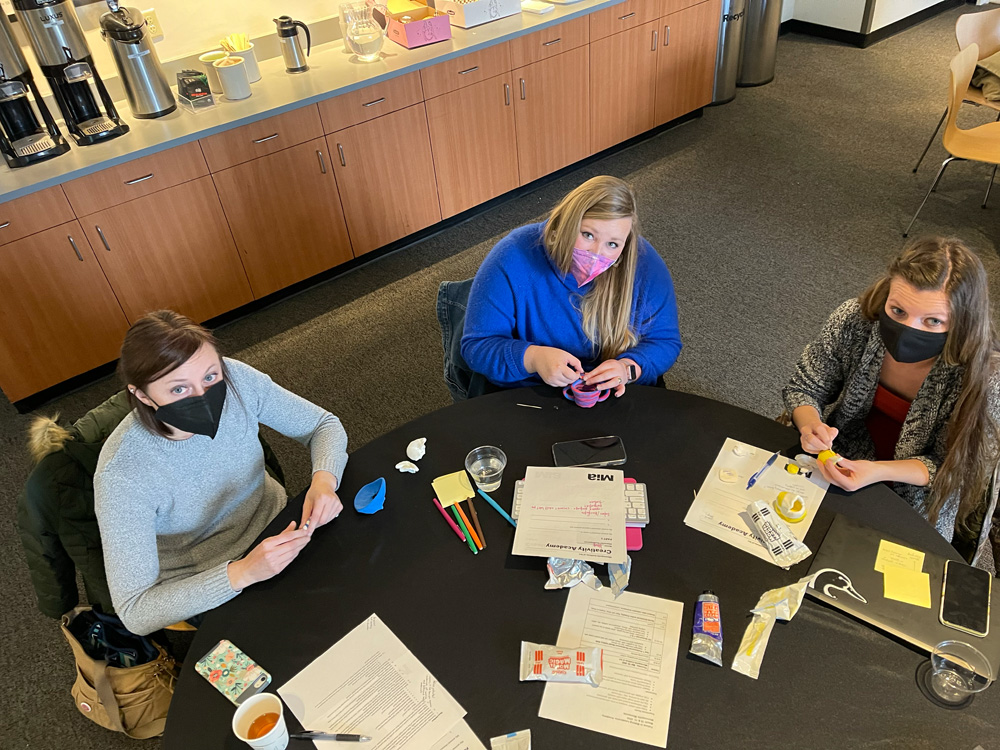
“In it” Questions
Description: These questions were used for two purposes – (a) meet every 2-3 weeks as a team to reflect on things they are noticing around failure moments and (b) to record pre/post daily thoughts regarding failure. The latter was to provide educators with guidance in picking video clips. Created by: Scott Family Amazeum
-
Failure over Coffee
Description: Educators held conversations with educators on how they were noticing, welcoming, and experiencing failure. There were no pre-set questions as the goal was this to be an informal conversation. Created by:Thinkery
Recording with video
Develop a set of practices and norms for video taping, as well as preview and/or discuss where the camera will be set up. Consider the pros/cons of your decisions within the discussion.
-
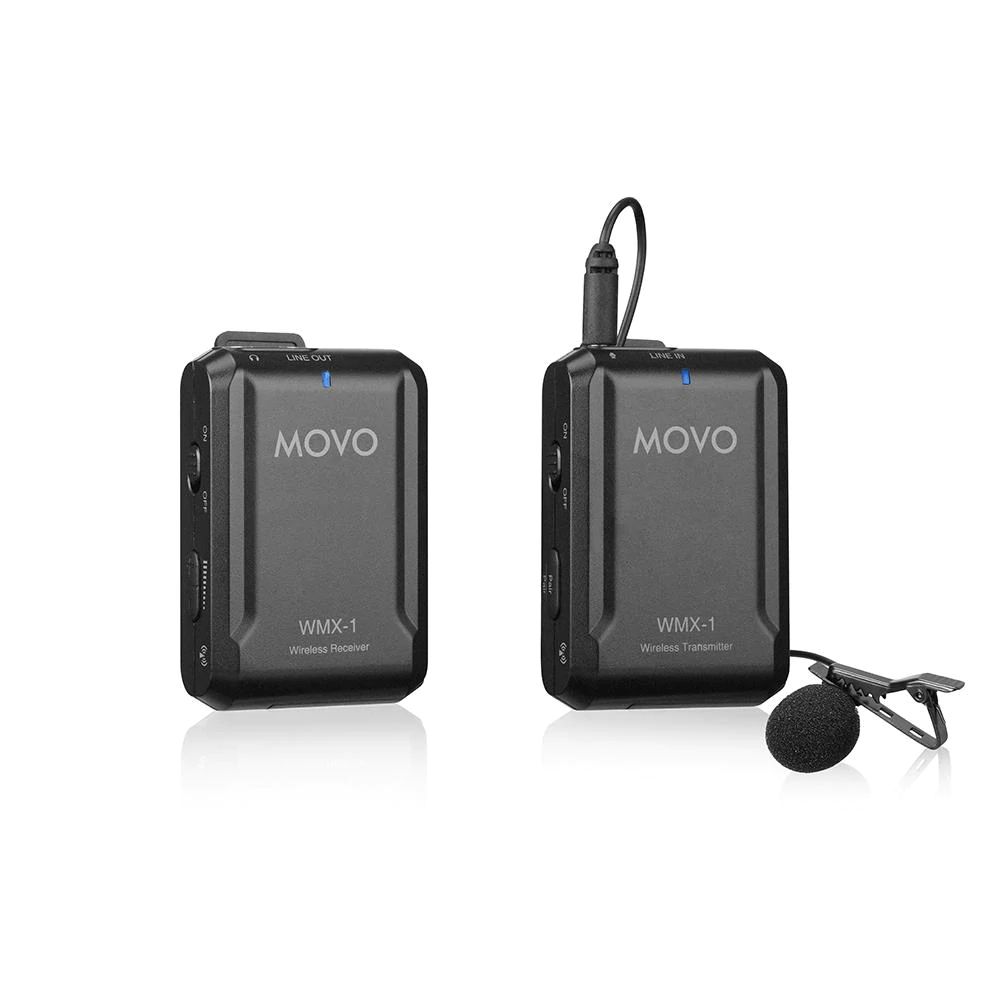
Equipment Suggestions
You will need recording devices to capture video and audio. How you want to record will change the type of devices you will need. For example, you could (1) have your educator wear a GoPro or similar handheld or mounted “action camera”, (2) set up an iPad on or above a specific area to capture…
-
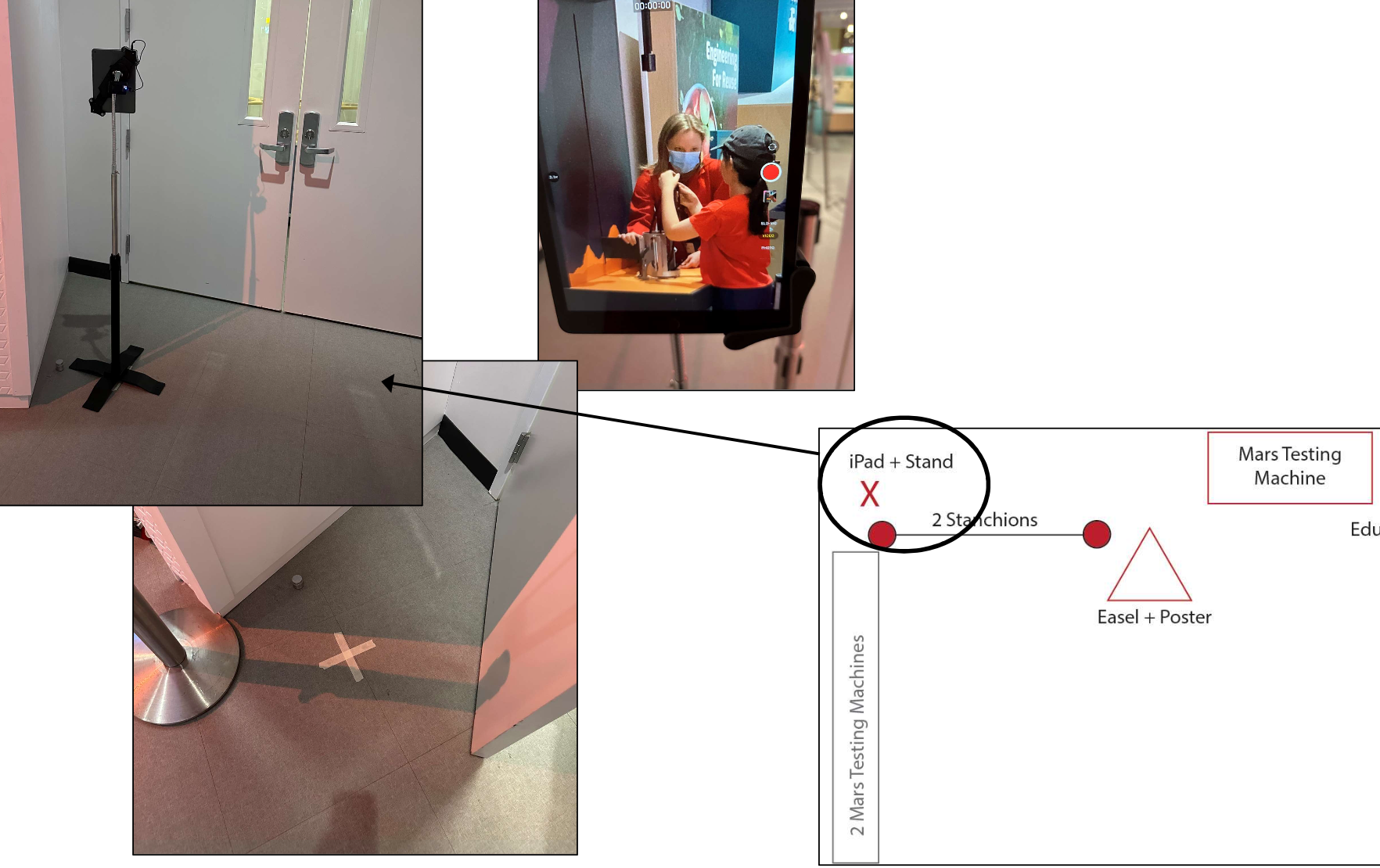
Video Setup Guide
Description: This guide was created by the Museum of Science in Boston to help their educators remember their video and audio setup. Consider something similar if you have different people setting up or are often setting up and breaking down your equipment. Created by: Museum of Science, Boston
-
MOVO Wireless Microphone
Description: This document explains how to use a MOVO wireless microphone Created by: Scott Family Amazeum
video selection
What kinds of video clips do you want selected? Who will choose the clips: facilitator, educator, collaboratively between facilitator and educator, or a top-down (i.e., facilitator pick 5-6 clips, then educators pick 1-2 clips) or bottom-up approach (i.e., educators pick 5-6 clips, then facilitator picks 1-2 clips)?
-
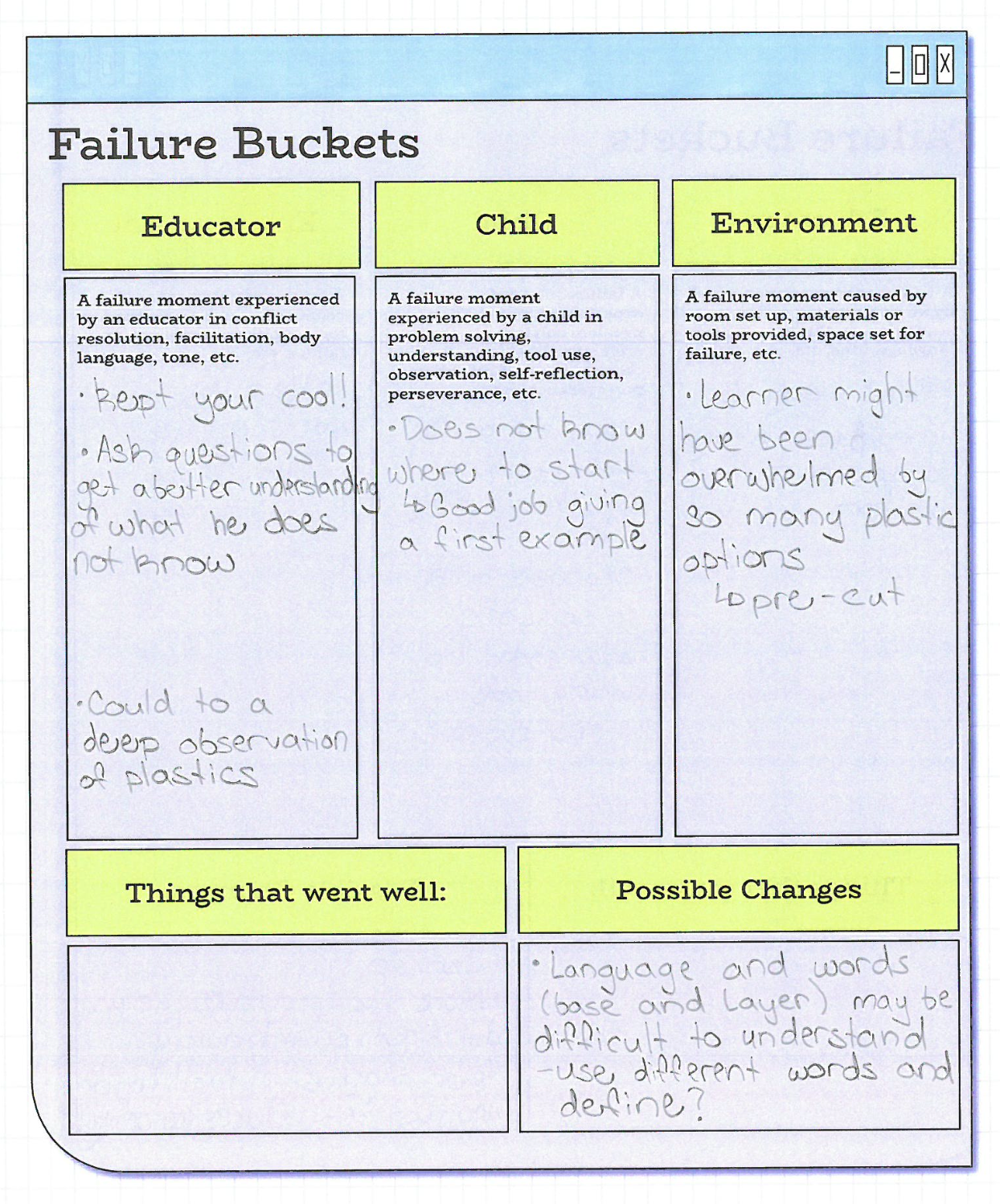
Failure Buckets-Note Taking Sheet
Description: This document provides educators a way to take notes while watching a video clip of their peers. It guides educators to take notes on either the educator, a child, and/or the environment. Created by: Scott Family Amazeum Below is a filled out example from a clip taken during a workshop on fused plastic.
-
Less/Effective clip selection
Description: These are questions posed by lead facilitators during one-on-one meetings to elicit educator’s thinking about and reflection upon failure within the selected video clips. Effective facilitation clip(s) Less effective facilitation clip(s) Created by: The Tech Interactive
-
1-1 questions/prompts
Description: These are questions posed by lead facilitators during one-on-one meetings to elicit educator’s thinking about and reflection upon failure within the selected video clips. 1. What did you notice about your own teaching? 2. Why did you pick this clip to show? 3. What might be at the root of the learner’s “struggle” or “challenge”…
-

Follow-up: Individual Clip Viewing Survey
Description: This survey was to ask educators if they were comfortable sharing their ineffective clip with their peers, as well as offer one-on-one meetings to discuss the clips chosen for video reflection with peers during reflection workshops. Created by: The Tech Interactive
-

Finding Juicy Failure
Description: This resource was an email sent out to educators to find “failure-juicy” video clips. What does a “failure-juicy” video clip mean? This is detailed in this resource, as well as what to expect during the reflection workshop. Adapted by: Scott Family Amazeum
-
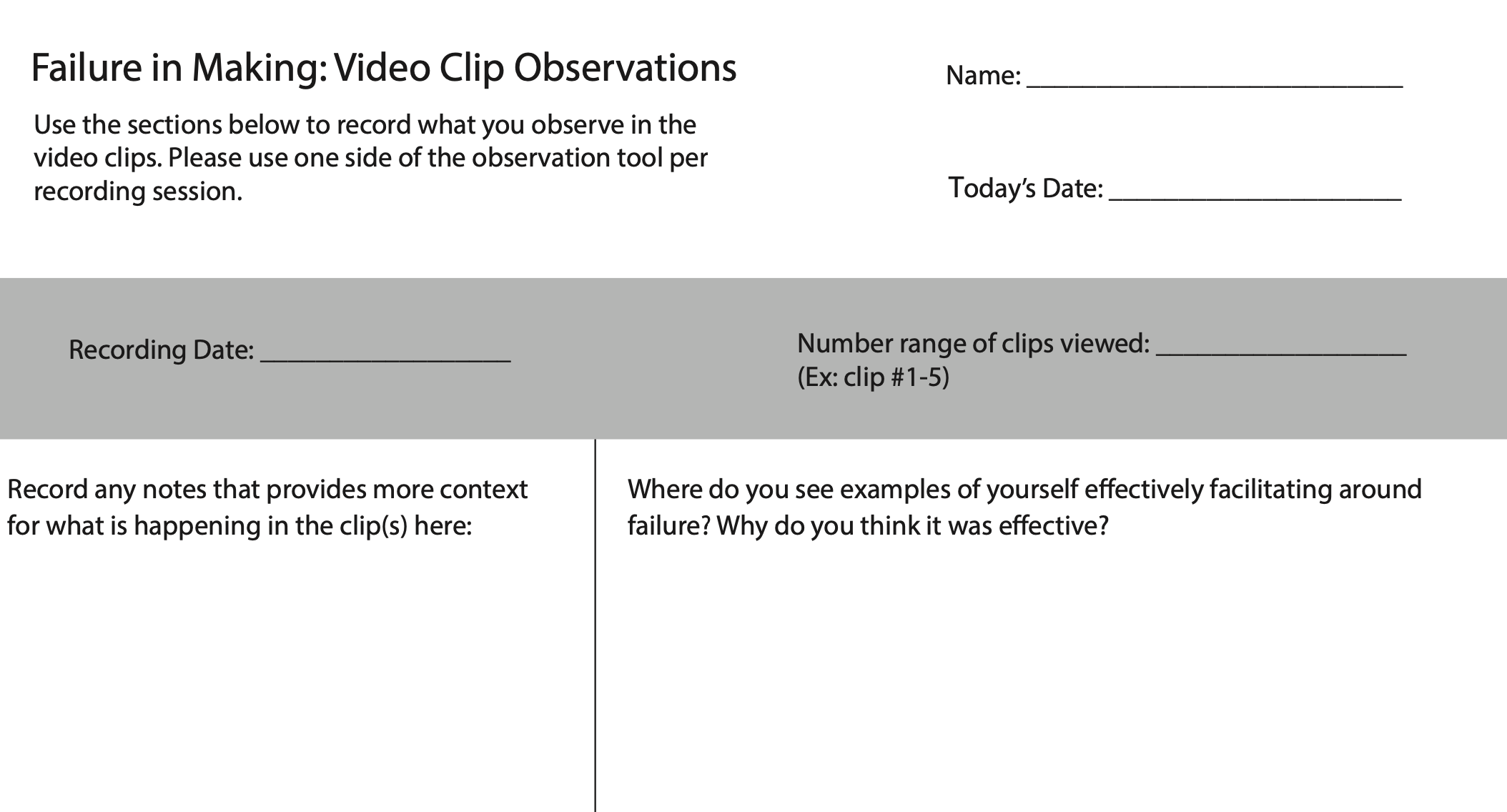
Video Observation Sheet
Description: This observation form was created to provide educator’s guidance in what to consider when selecting their short video clip. Questions include (a) Where do you see examples of yourself effectively facilitating around failure? Why do you think it was effective? and (b) Did you notice any language you used that was particularly helpful (or not…
Norms
What norms do you want to establish to create a safe environment to share videos? How might you include your educators in this process? How will you document and make these norms visible?
-
Ground Rules & Goals
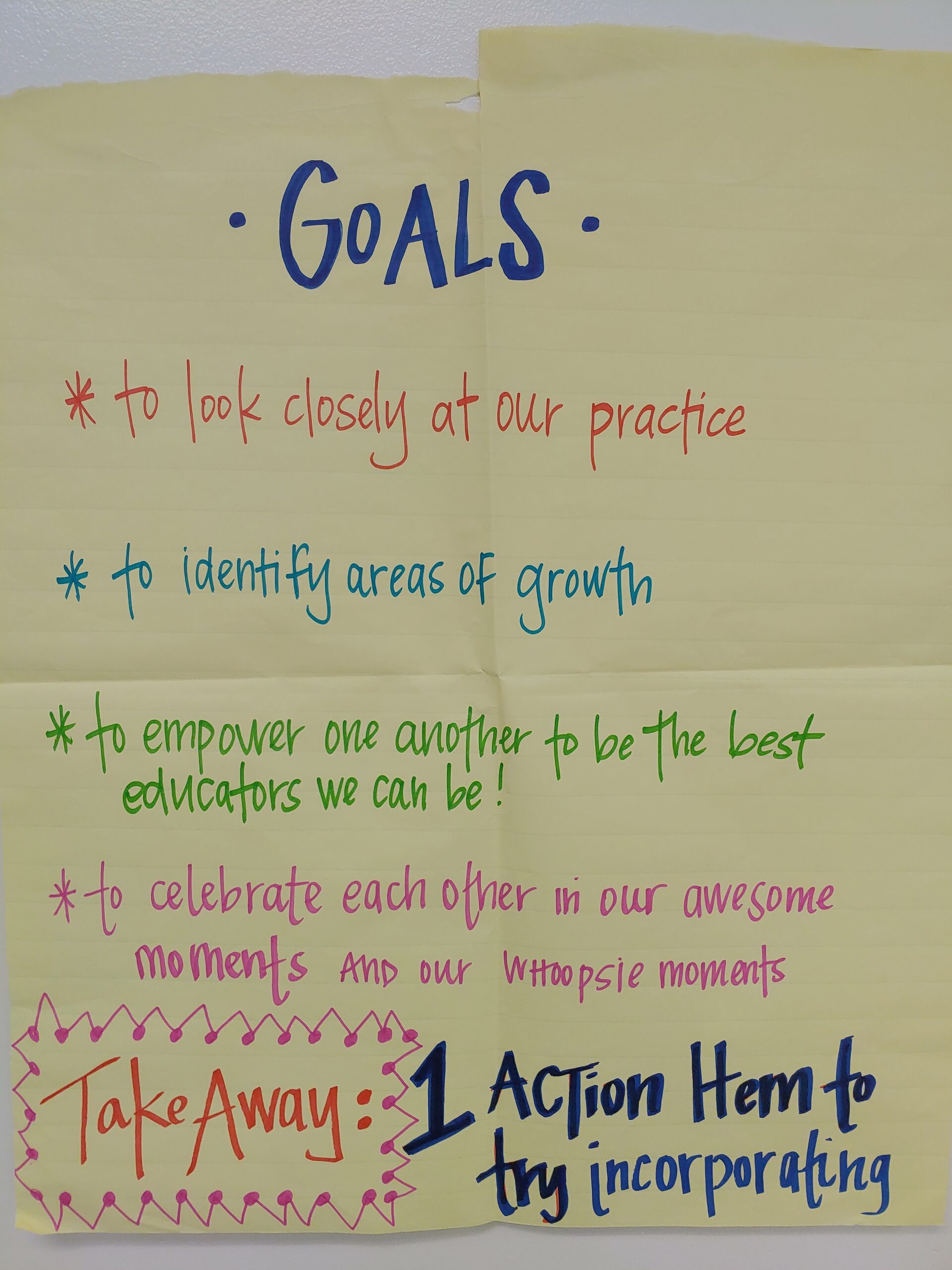
Description: Below are the Ground Rules and Goals for video review set by the group at the Scott Family Amazeum. Ground rules include: Share the air; No one knows everything but together we know a lot; lean in as a listener and a learner; misery is optional. Goals include: to look closely at our practice; to…
-
Norms for Video Review
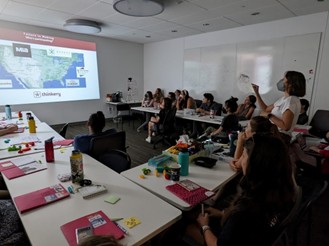
Description: Below are norms for watching video as established by facilitators in preparation for their first video-watching workshop (Borko et al., 2015): Video clips are to provide a learning opportunity and not an evaluation of the teaching and learning process. Video clips are examples to spur discussion and not criticism. Video clips are for investigations…
-
Is / Is Not
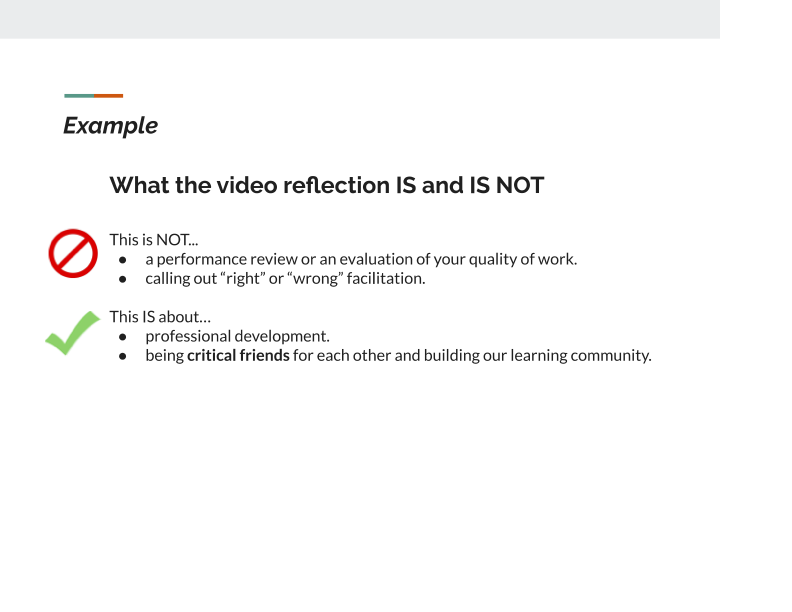
Description: These are norms to set expectations about what the video recording and reflection is and is not for. This is NOT a performance review or an evaluation of your quality of work. This is NOT calling out “right” or “wrong” facilitation. This IS about professional development. This IS about being critical friends for each other…
Noticing and Feedback
What questions will you pose to educators to facilitate the discussion around experiences with failure highlighted in the video clips? How will you support your team to use evidence and be specific when providing statements about what they notice? Is there a handout you will use to capture independent reflection and/or support this discussion?
-
Video Clip Observation & Reflection
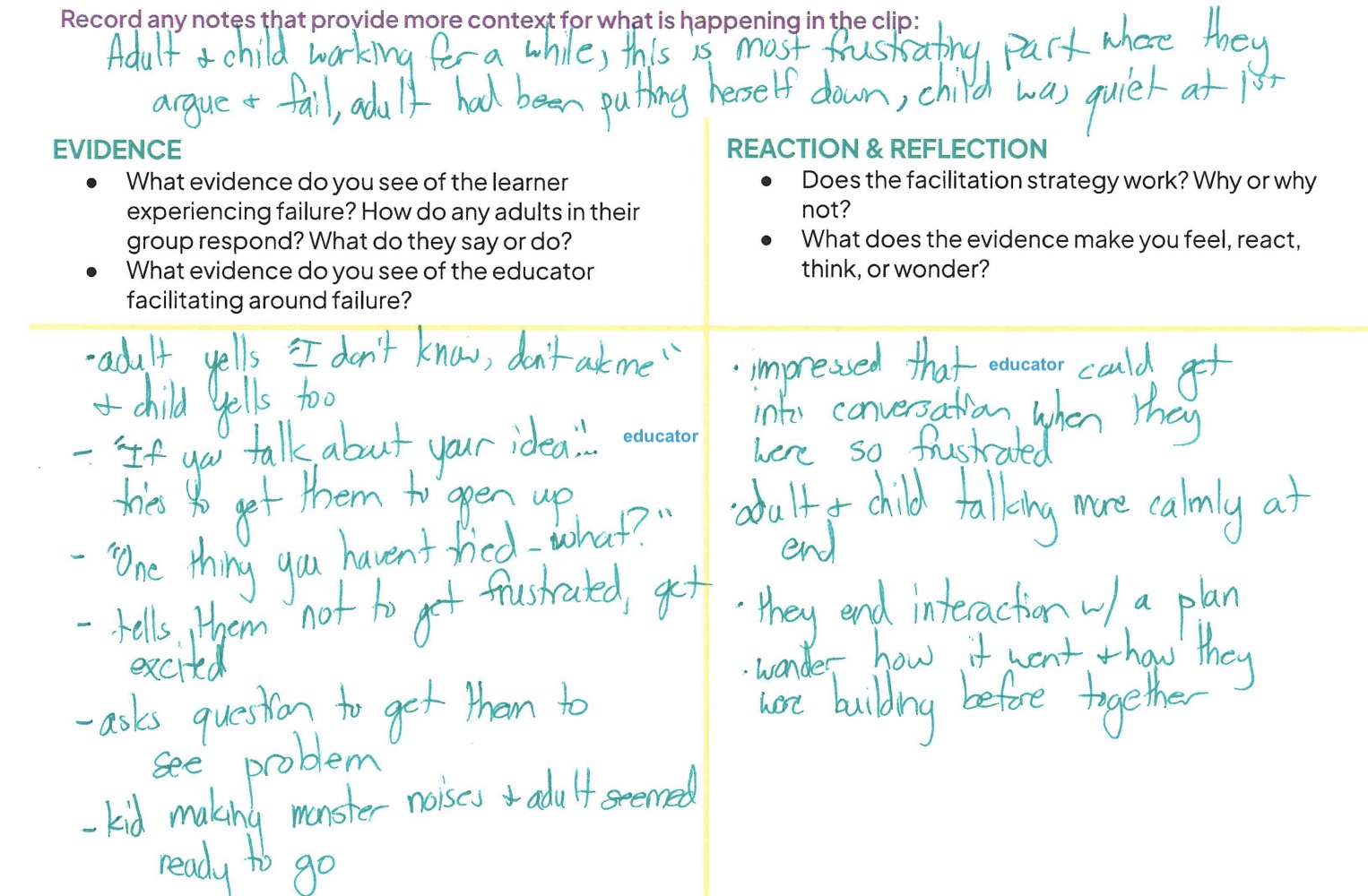
Description: A video reflection tool for 1) recording evidence: What evidence do you see of the learner experiencing failure? What evidence do you see of the educator facilitating around failure? and 2) for recording reaction and reflections: What does the evidence make you feel, react, think, or wonder? Created by: OMSI
-
Language and Feedback Tips
Description: The questions in this document provide educators a way to prepare for sharing their clip with their peers, asking and preparing feedback to/from their peers, and appropriate language to use for facilitating and talking about failure. Created by: The Tech Interactive
-

Failure Party Connection Cards
Description: These cards are to be utilized when discussing and providing feedback to an educator regarding their shared video clip. It is to promote connections to one another based on shared experiences, perspectives, and noticings within the video. It is also a way to provide an outlet for shy individuals to contribute to the conversation. Created…
-
Failure Buckets-Note Taking Sheet
Description: This document provides educators a way to take notes while watching a video clip of their peers. It guides educators to take notes on either the educator, a child, and/or the environment. Created by: Scott Family Amazeum Below is a filled out example from a clip taken during a workshop on fused plastic.
-
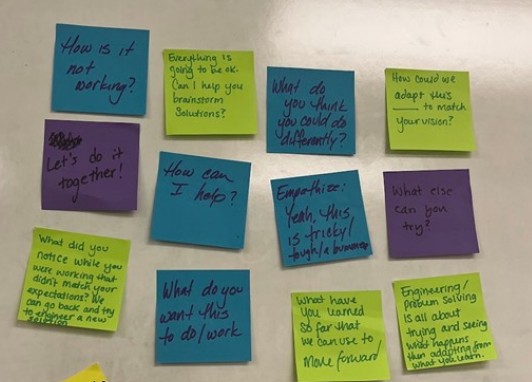
Reflection Questions
Description: This list of questions supported the discussion around failure both as part of watching video clips and more holistically to reflect on the campers’ experience. For example, How did staff support / react to campers being stuck? How did your support change throughout the week? What kind of experience do we want campers to walk…
-
Finding Juicy Failure
Description: This resource was an email sent out to educators to find “failure-juicy” video clips. What does a “failure-juicy” video clip mean? This is detailed in this resource, as well as what to expect during the reflection workshop. Adapted by: Scott Family Amazeum
-

Reflection Cards: Healthy, Band-Aid, Surgery
Description: The three cards – healthy, band-aid, surgery – are utilized to reflect on different scenarios, events, or even video clips. For example, suppose as a team you are considering how the material prep may or may not have led to a failure moment as illustrated in one of the video clips shared by a lead…
Plan a Professional Development Sequence
Planning
-
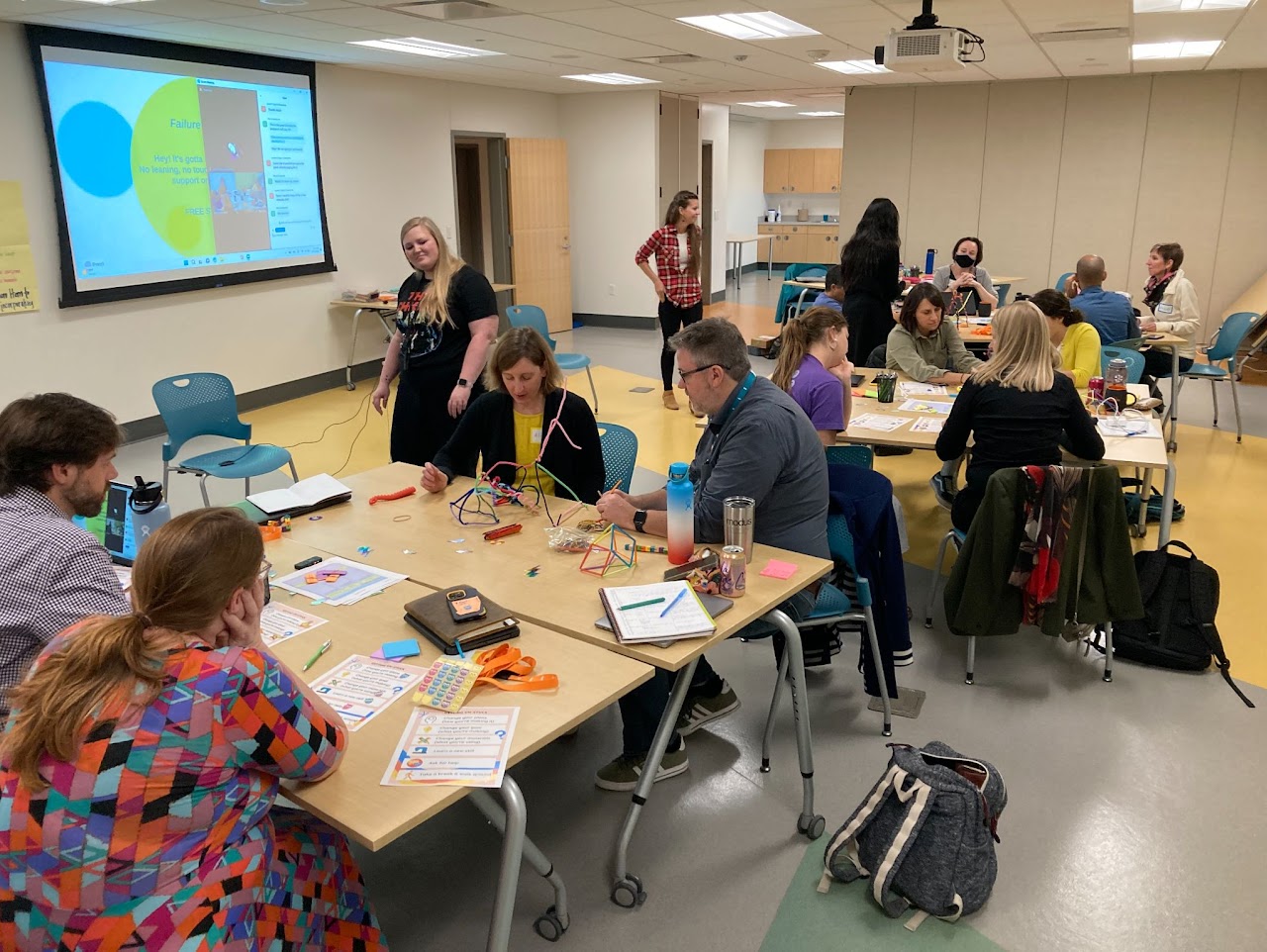
Facilitating Discussions
You must be willing to participate and be vulnerable. It has been suggested from our partnering sites that you as a facilitator start this process with a video clip of yourself engaging with youth in a STEAM-focused making activity. How will you introduce norms? How will you incorporate educator and/or team goals? How will educators…
-
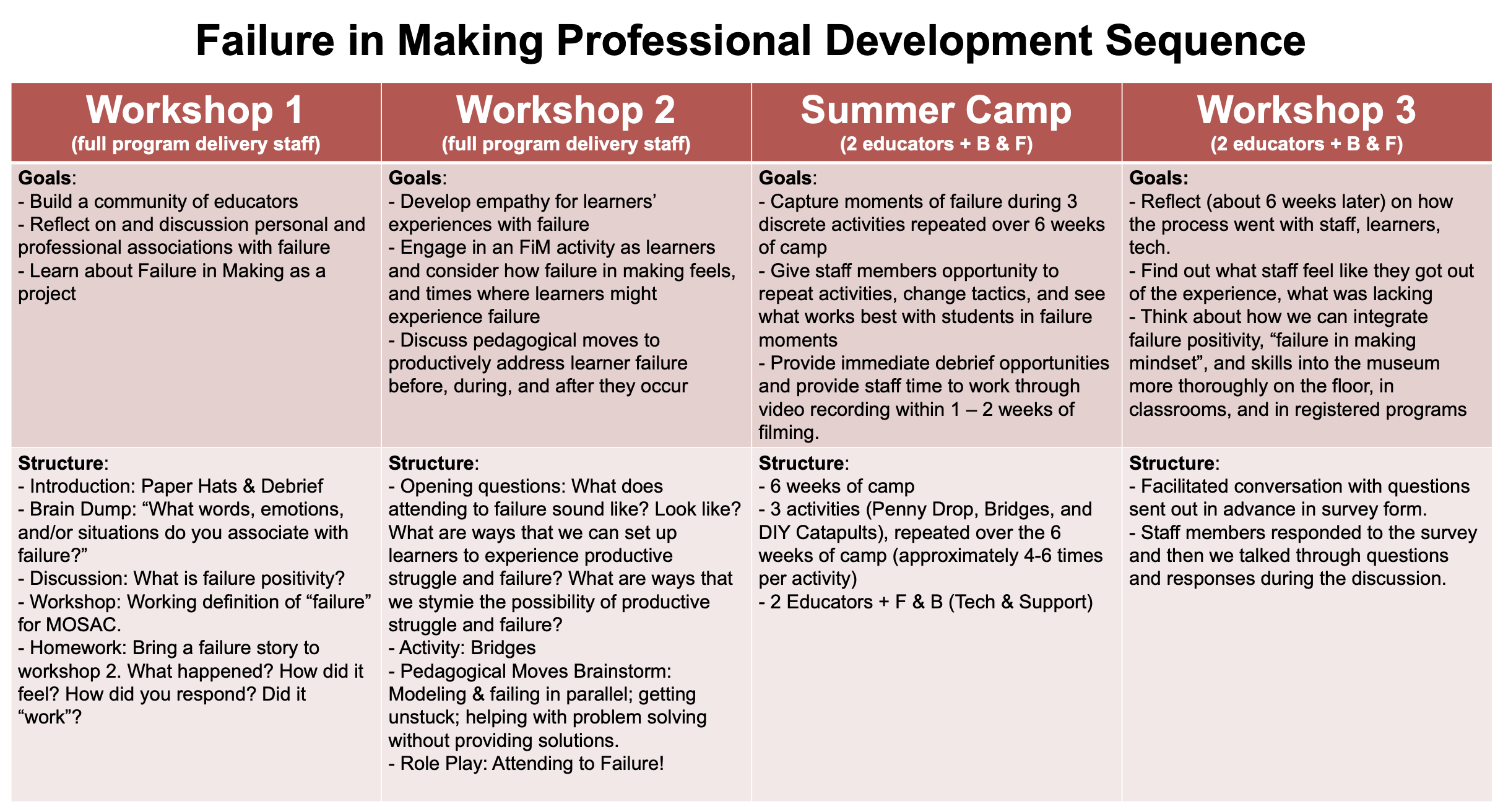
Example Agendas
Description: The original PD was organized and presented as four workshops: two setting context workshops, filming, two reflection workshops. Here are some example agendas and schedules used by various partners. Created by: Children’s Museum Houston, Children’s Museum Pittsburgh, MOSAC, Scott Family Amazeum, The Tech Interactive Setting Context: 1. Introduction, No-Look drawing, Duct Tape Drawing (30 min)2. Paper…
-

Project Description for Teachers
Suggested by: The Tech InteractiveDescription: This is a short blurb that describes the project. There is an emphasis on improving upon their educational practices.